Prediction of Slip Velocity for Control in Robotic Grippers
via Transformer-Based Fusion of Visuotactile Data, Image Data, and Vibration Signals
11.09.2026
Related Work
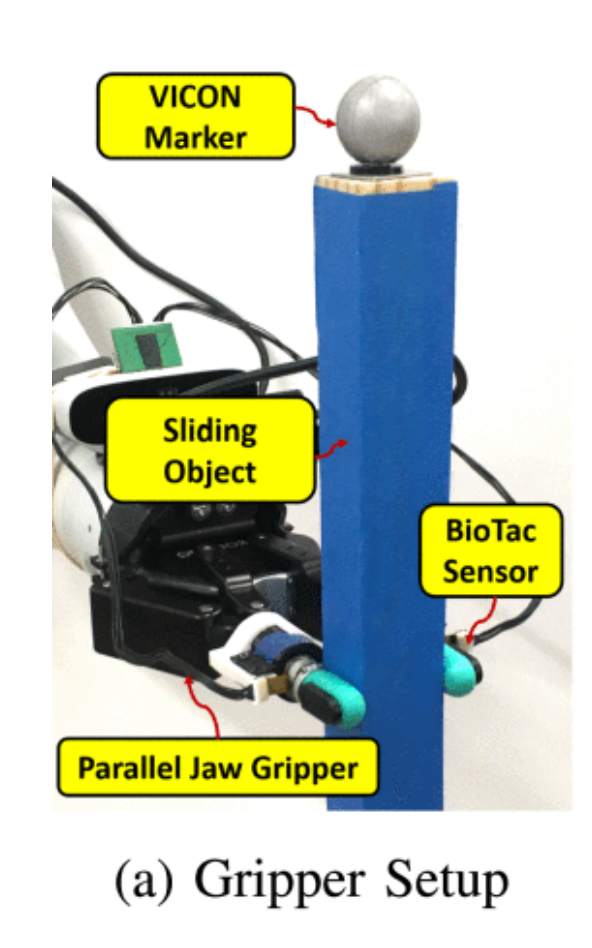
Chen, Prepscius, Lee & Lee, IEEE RA-L 6(2) (2021)
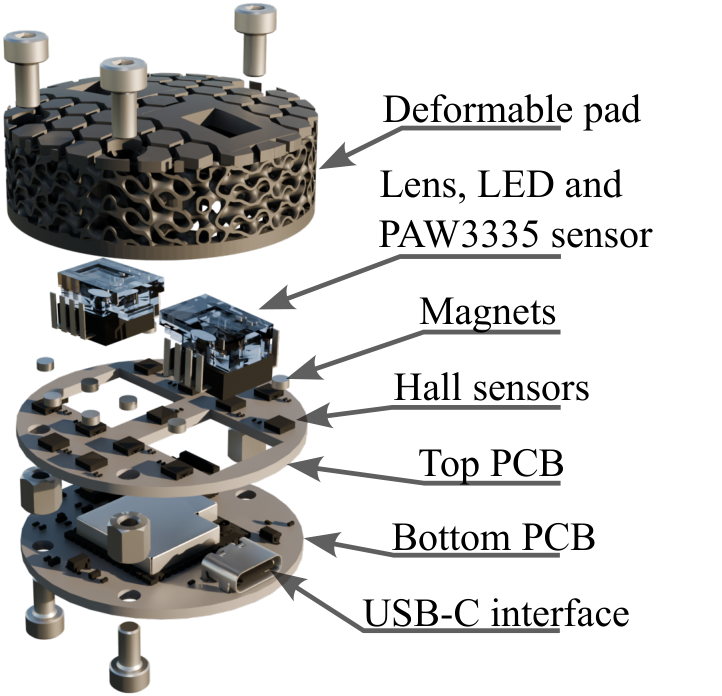
Waltersson & Karayiannidis, arXiv:2606.11952 (2026)
Related Work - Waltersson
- Optical and Hall effect sensors
- Error ranges from less than 1% of slip velocity on wood
- to 100% on translucent materials
- Impressive manipulation for selected materials
Related Work - Chen
- BioTac sensors
- Slip estimation with an average error of 5 mm/s
- 1.5 ms Inference time
- These will be our goal metrics
Visuotactile sensing
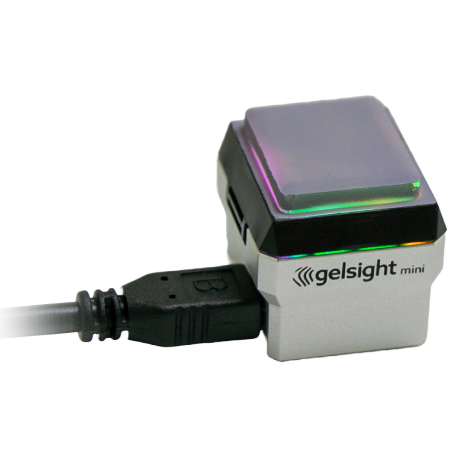
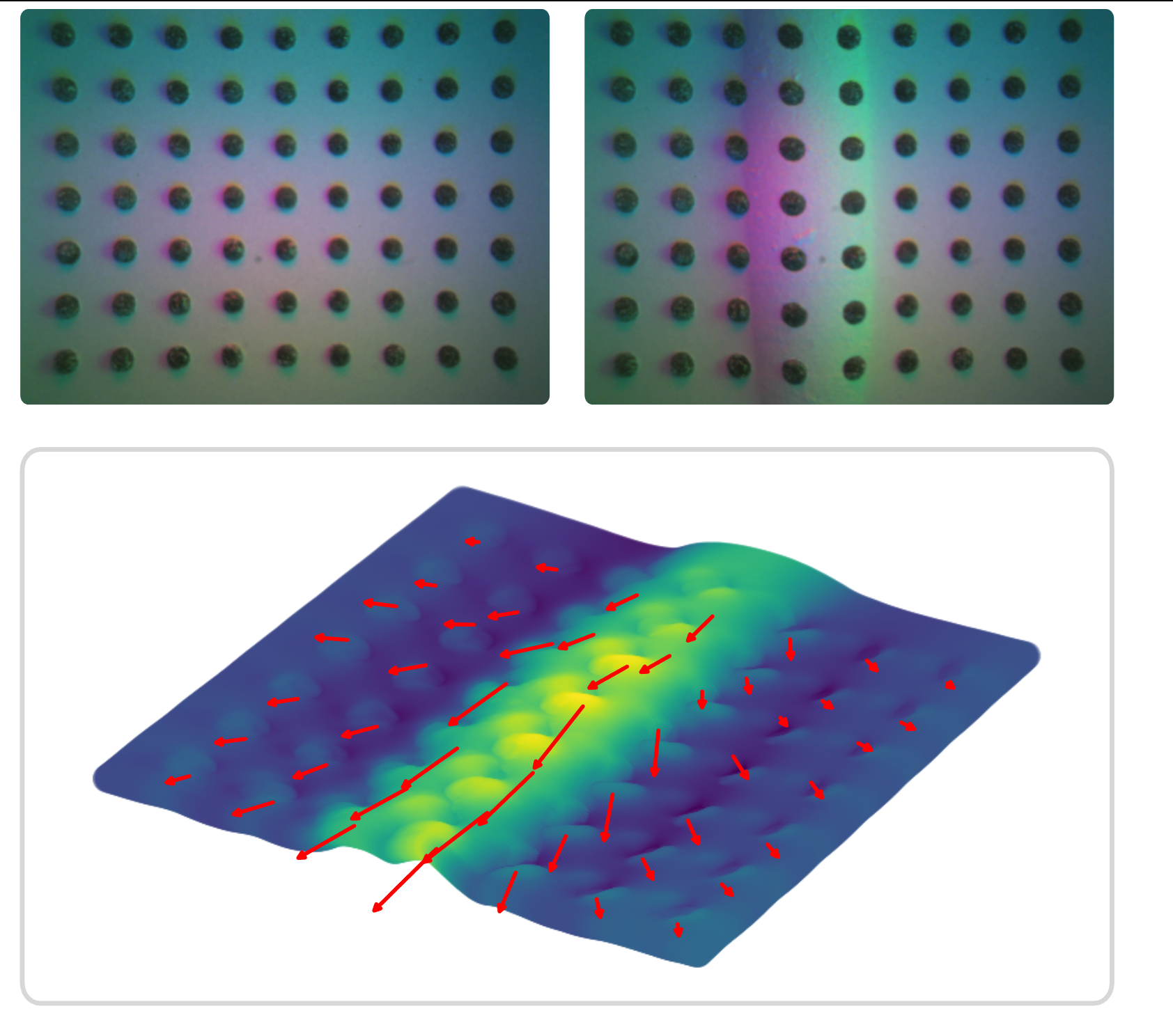
Limits of visuotactile sensing
- Smooth surfaces
- High latency
- Low framerate can’t detect
- Fast movement
- Slip vibrations

Stick-slip
- Every material is rough on a microscopic scale
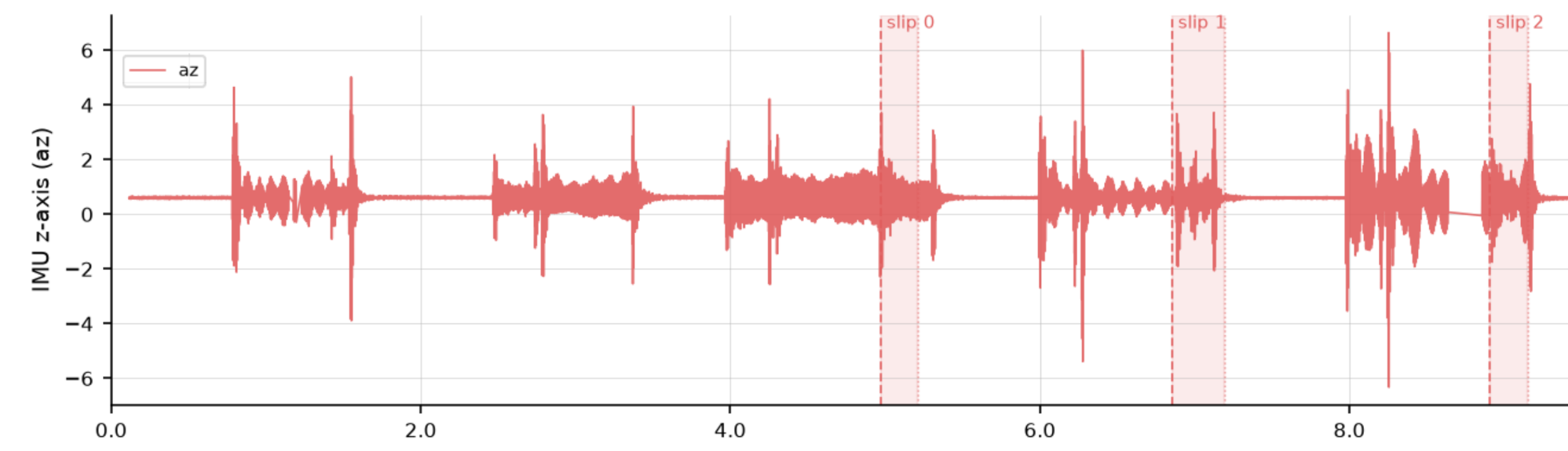
- Relative movement causes stick-slip vibrations
- Faster sliding ∝ higher frequency
- Faster sliding => different frequency components
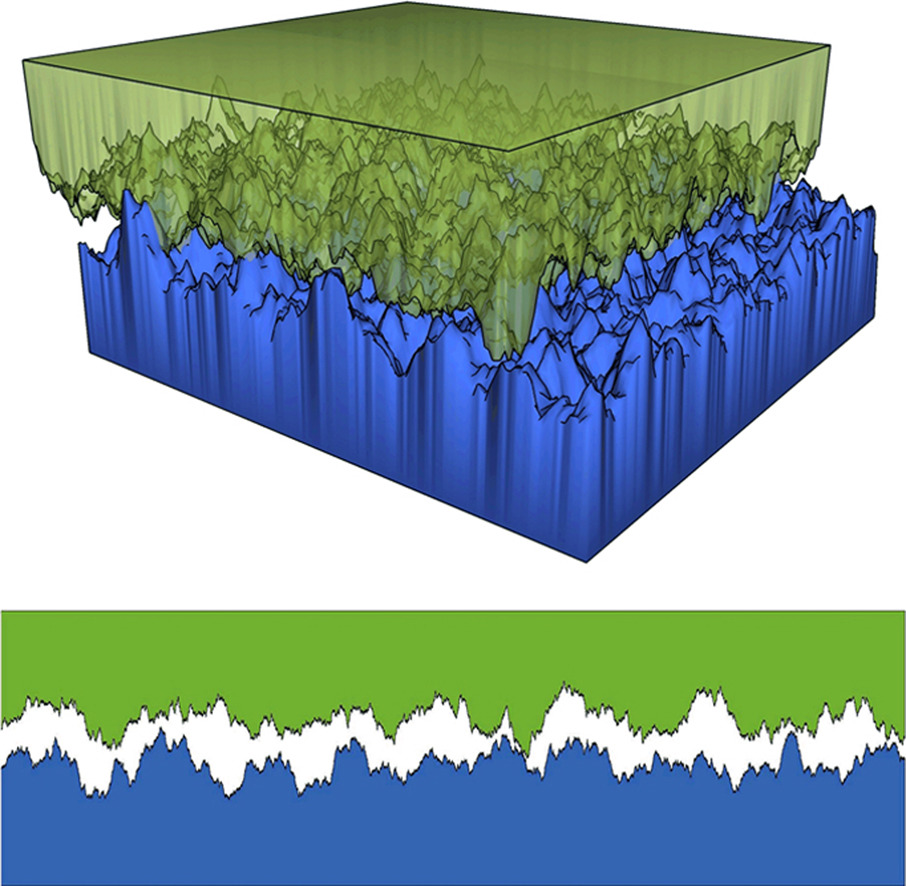
Hanaor, Gan & Einav, Tribology International 93 (2016)
Giovani Luís Rech, youtu.be/1fHGTir78Hk
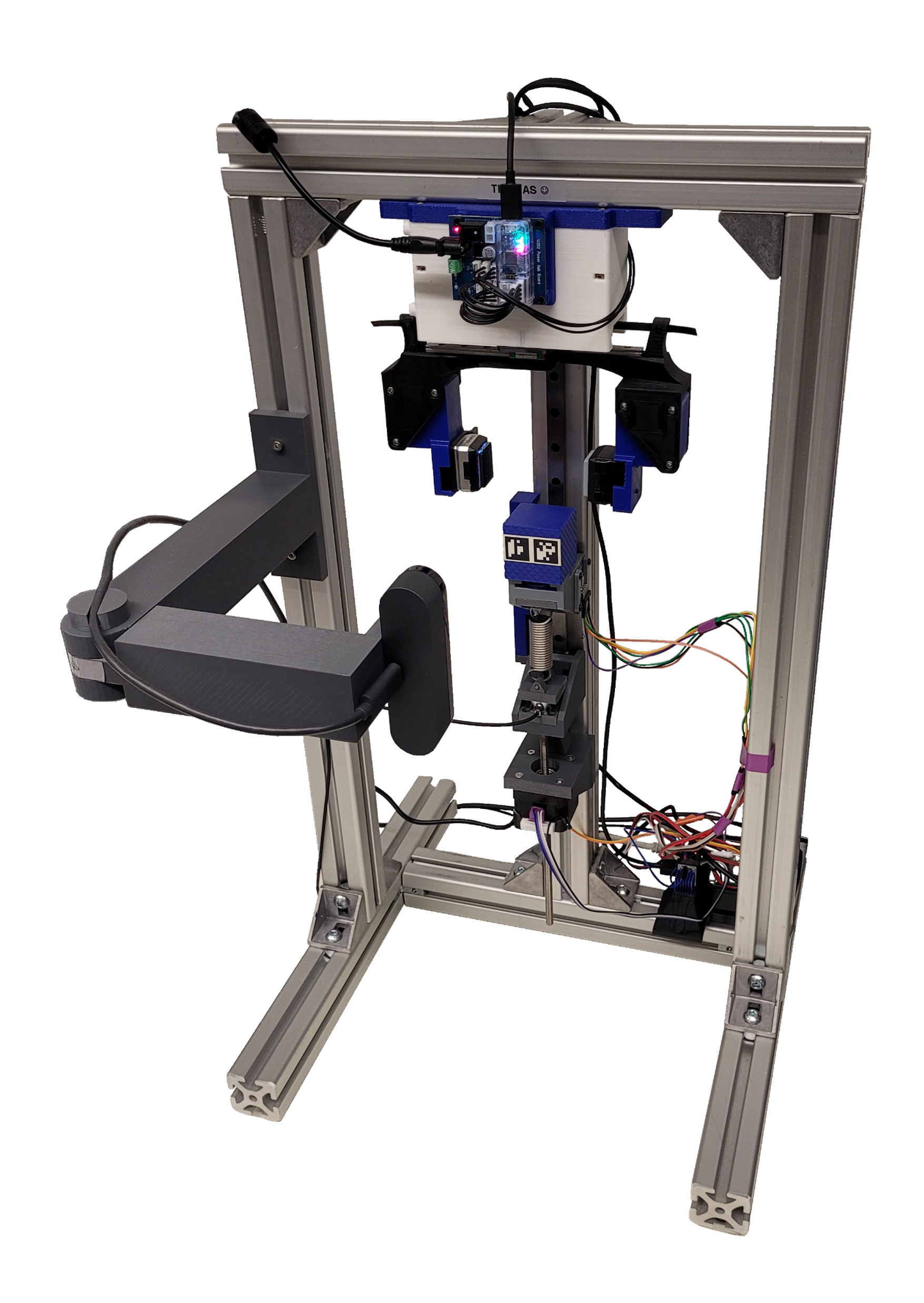
Test bench
- Built with the mechanical engineering faculty
- Gripper at the top, object pulled down by a spindle
- Slip speed set by the spring and the motor speed
- Grip force and pull velocity are varied
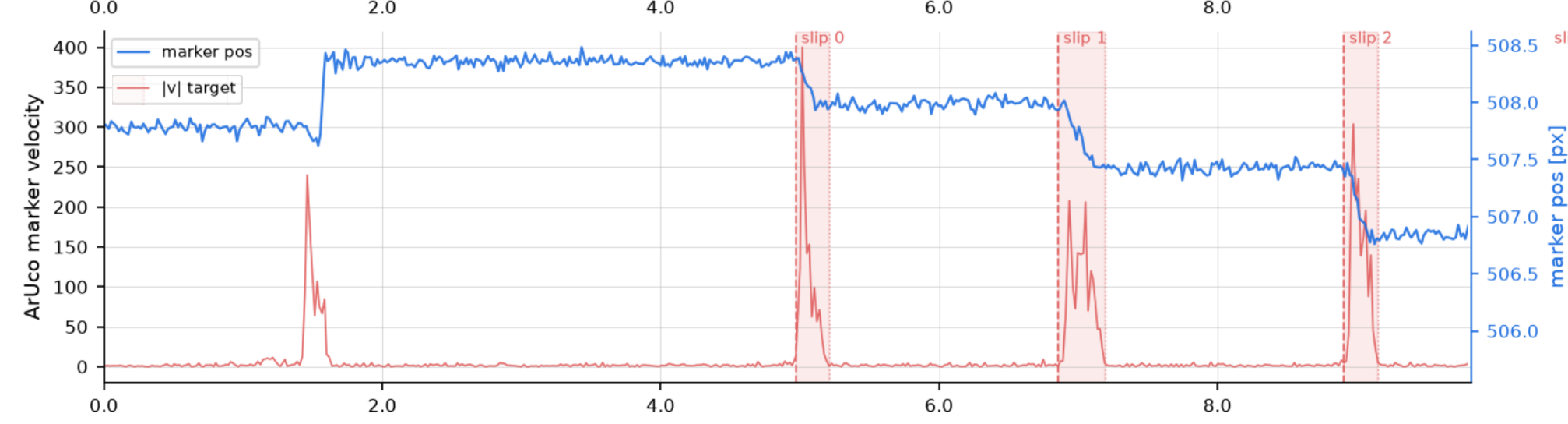
- Built to precisely lable data with slip velocity lables.
- Webcam captures marker to determine ground truth
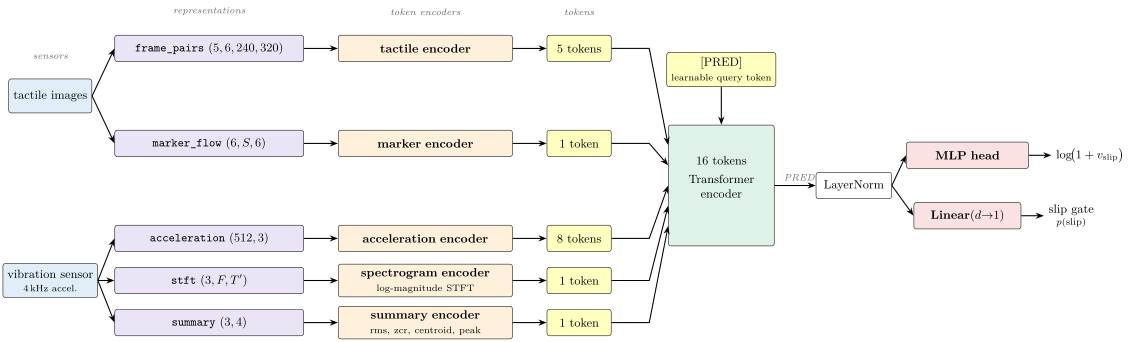
Inputs and output
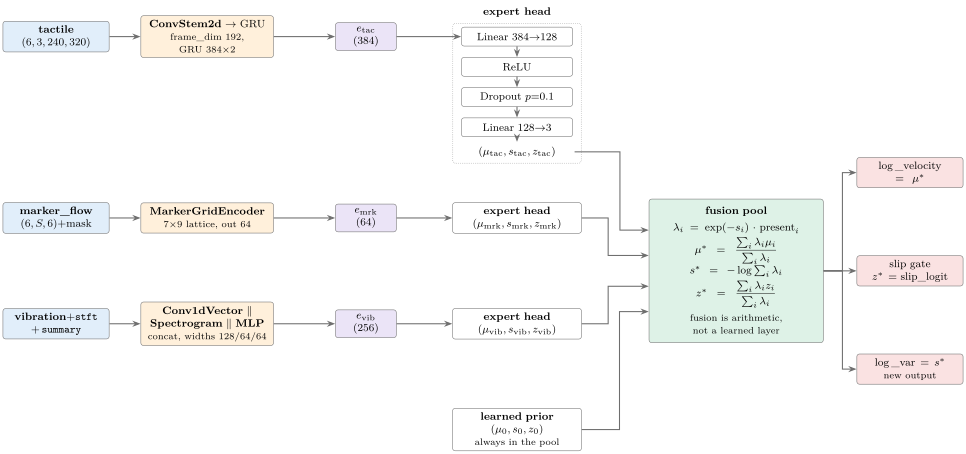
Visuotactile
- precise, directional
- low framerate, data heavy
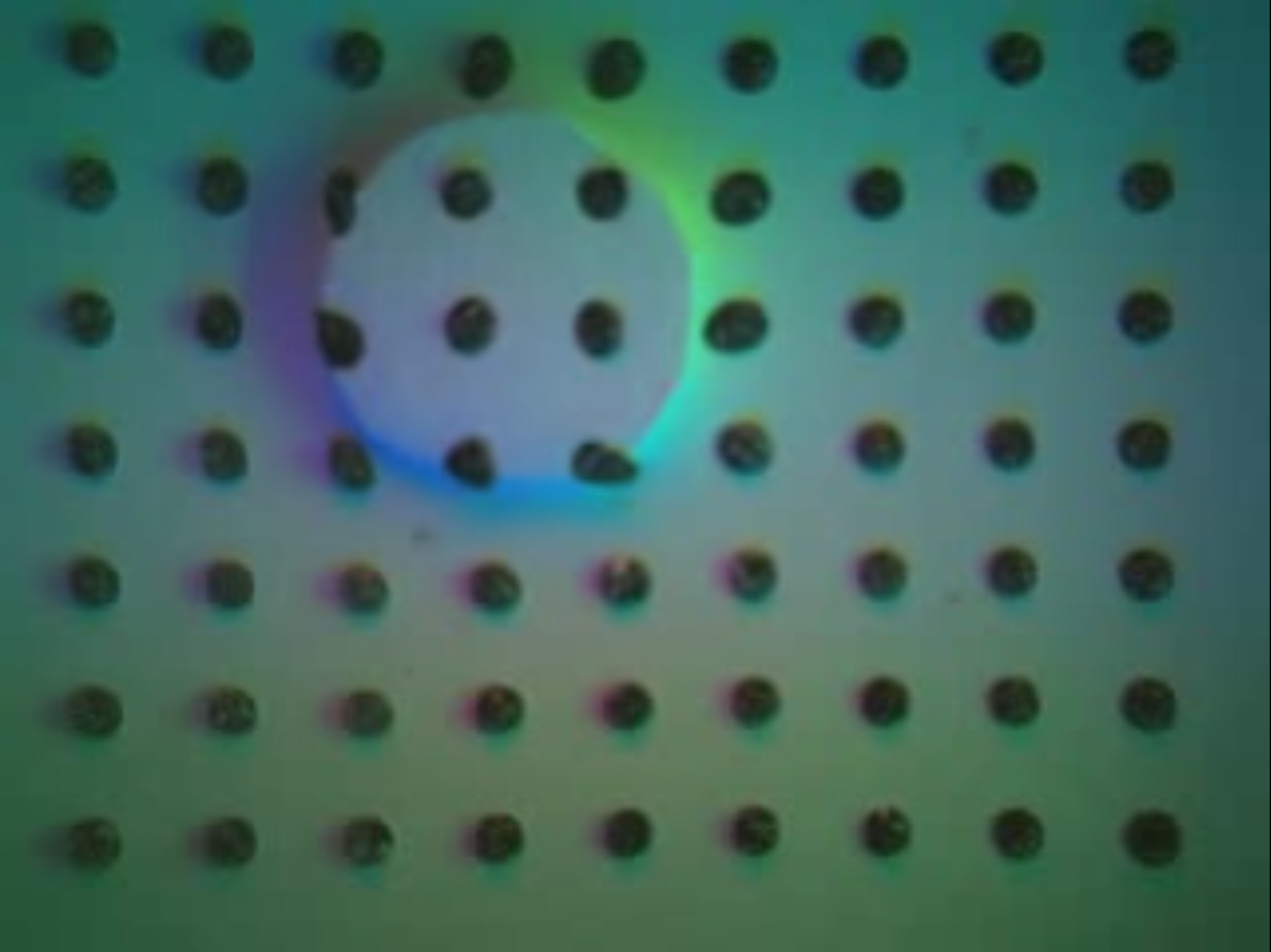
raw image
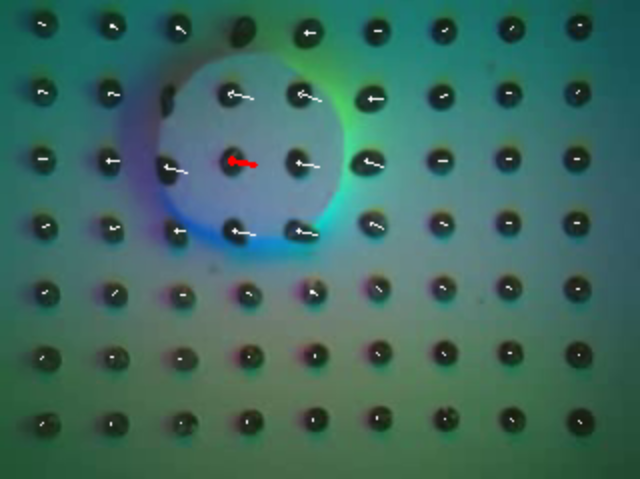
marker flow

depth map
Vibration
- raw acceleration,
128 sample windows
Slip velocity
- movement of the object relative to the gripper
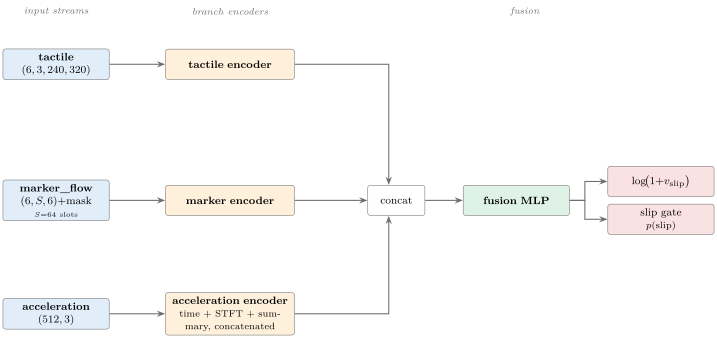
Fusion
- MLP-based late fusion model
- Concatenates encodings
- Double-head architecture
Transformer
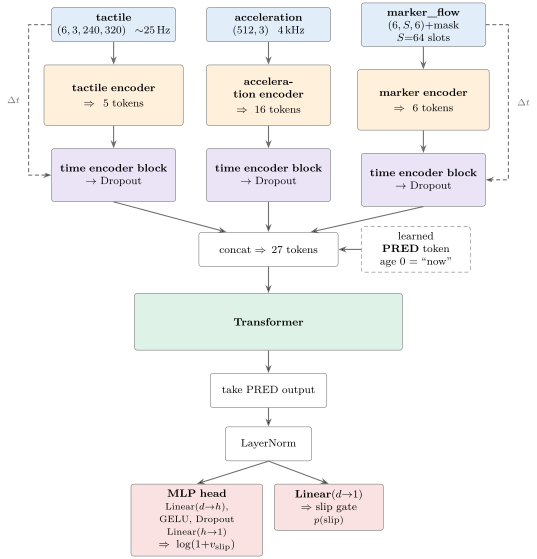
Hybrid
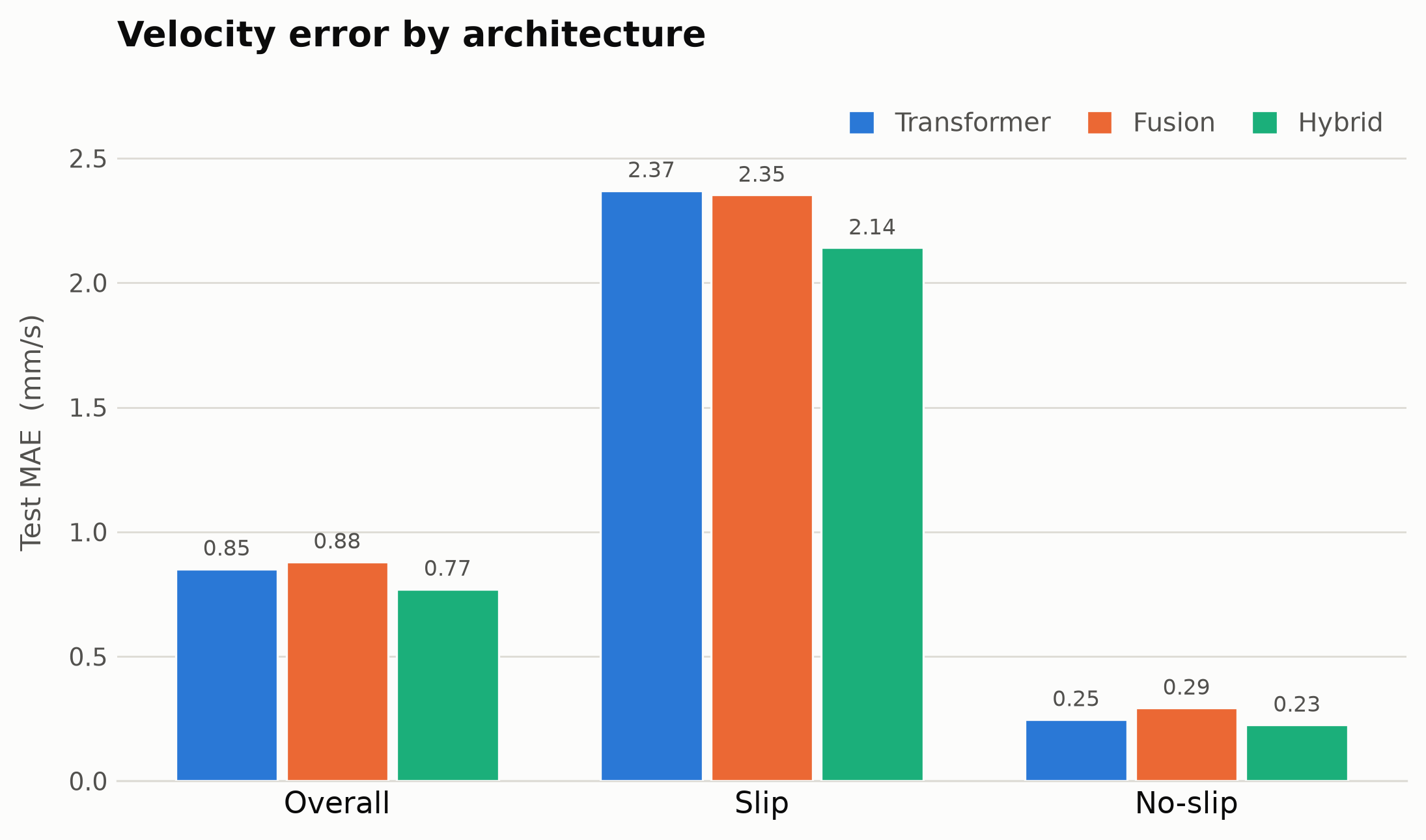
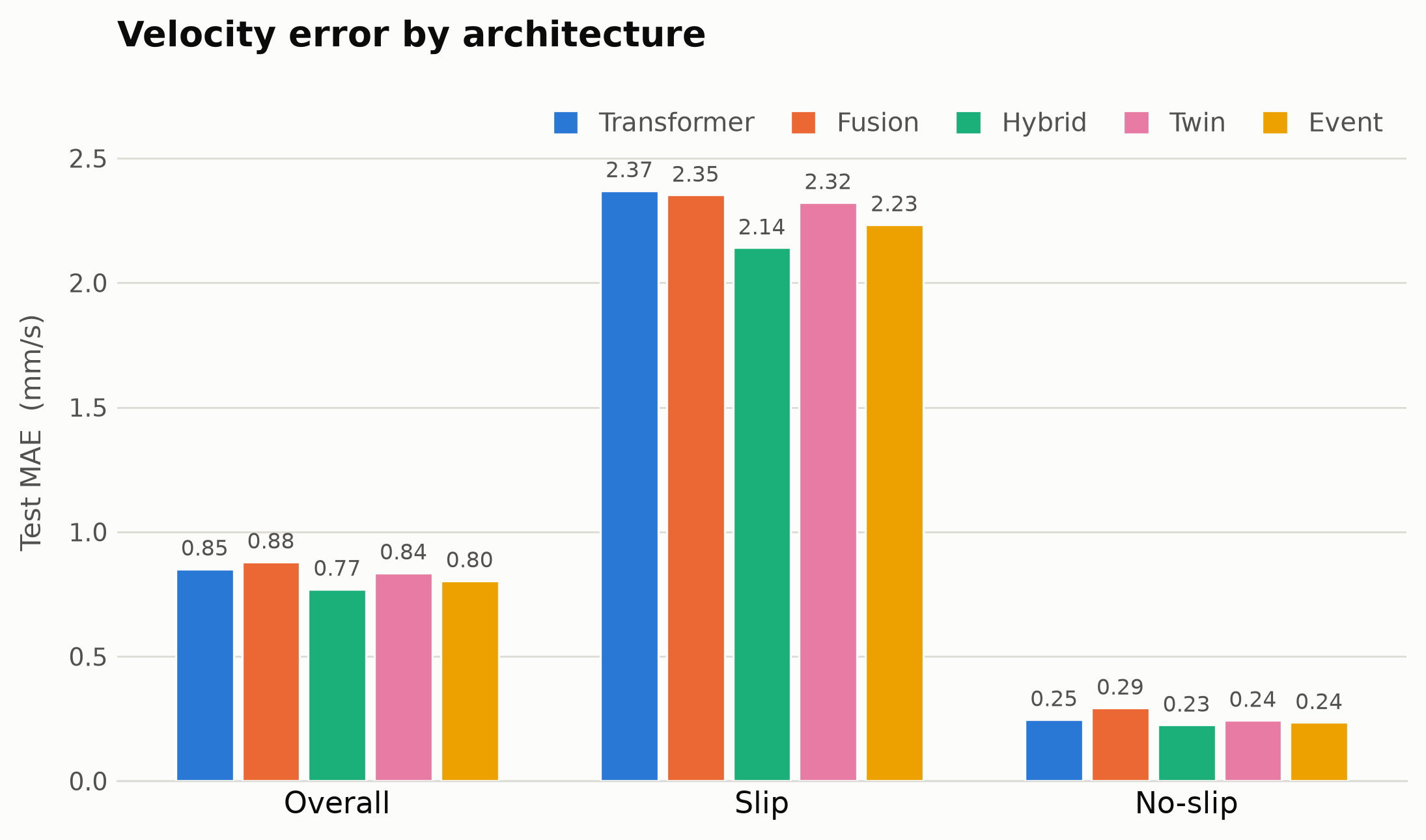
Does slip velocity estimation work? Yes
- Best is
Hybridat 2.13 mm/s slip-MAE - Below goal error of 5mm/s used by Chen et al. for control.
- Exact cause for the performance difference hard to pin down
- Possibly: Tokens give improvement, but only when time is not encoded
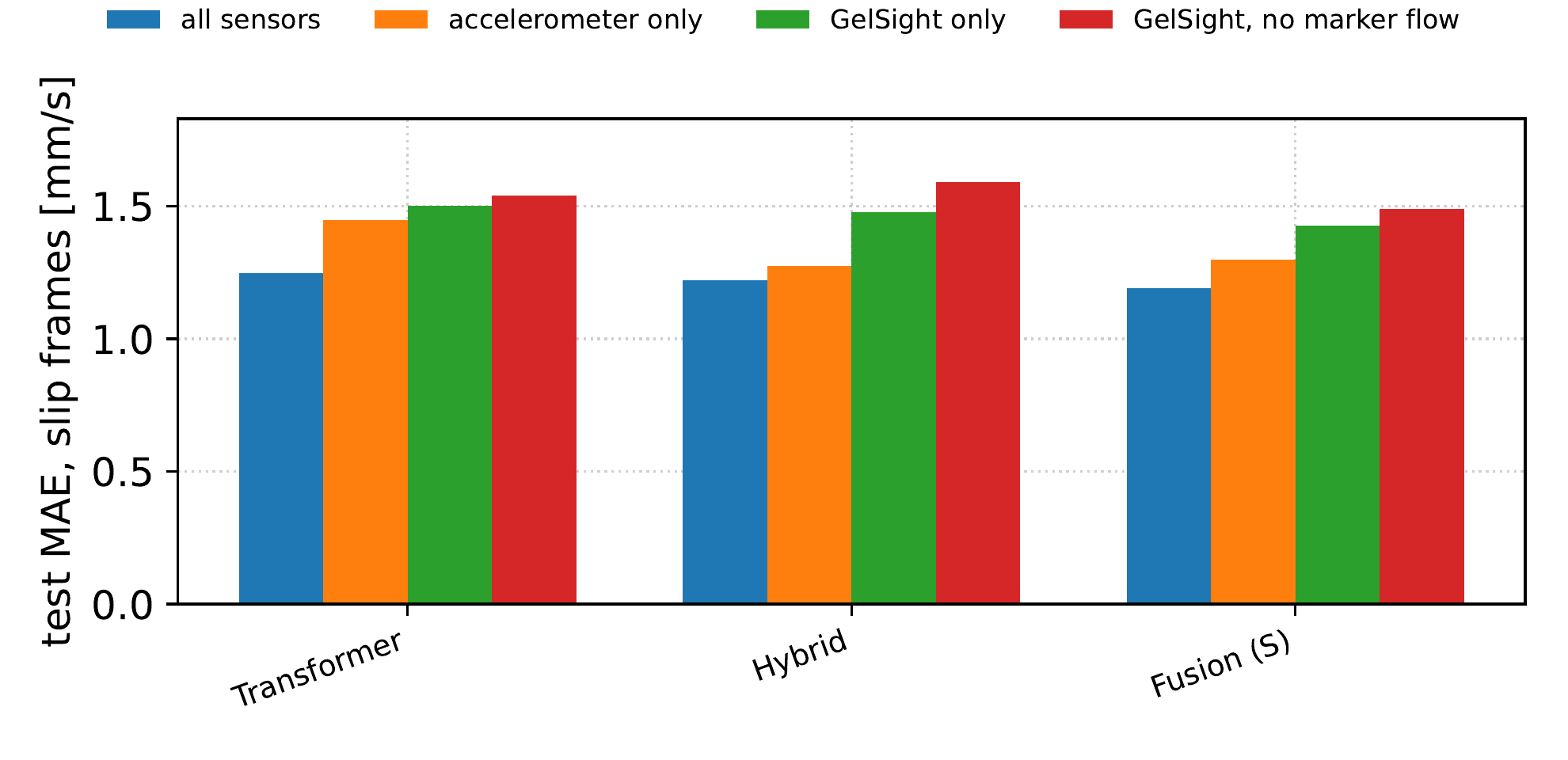
Is fusion needed? Yes
- Drop the vibration sensor: slip-MAE +20–21 %
- Drop the visuotactile input: +5–16 %
- Drop marker flow on top: +23–30 %
- => Vibration alone is already a strong modality
- GelSight is likely still needed for directionality
Does modelling the slip spike reduce the error? Event
parametric term in the output head to model slip spike
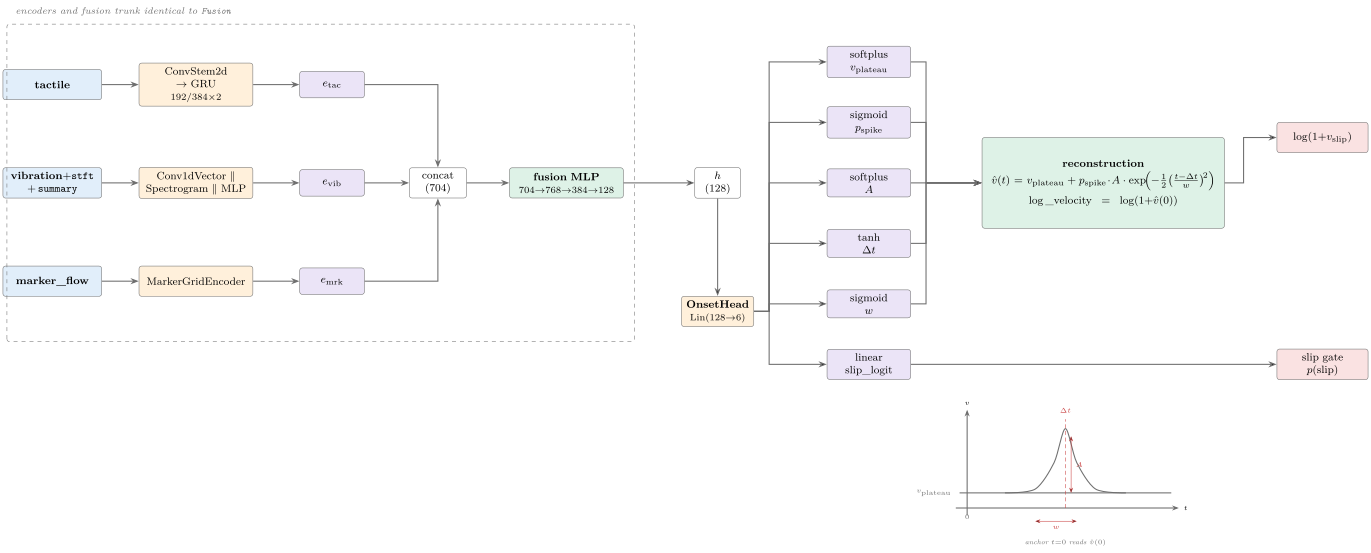
Does modelling the slip spike reduce the error? No
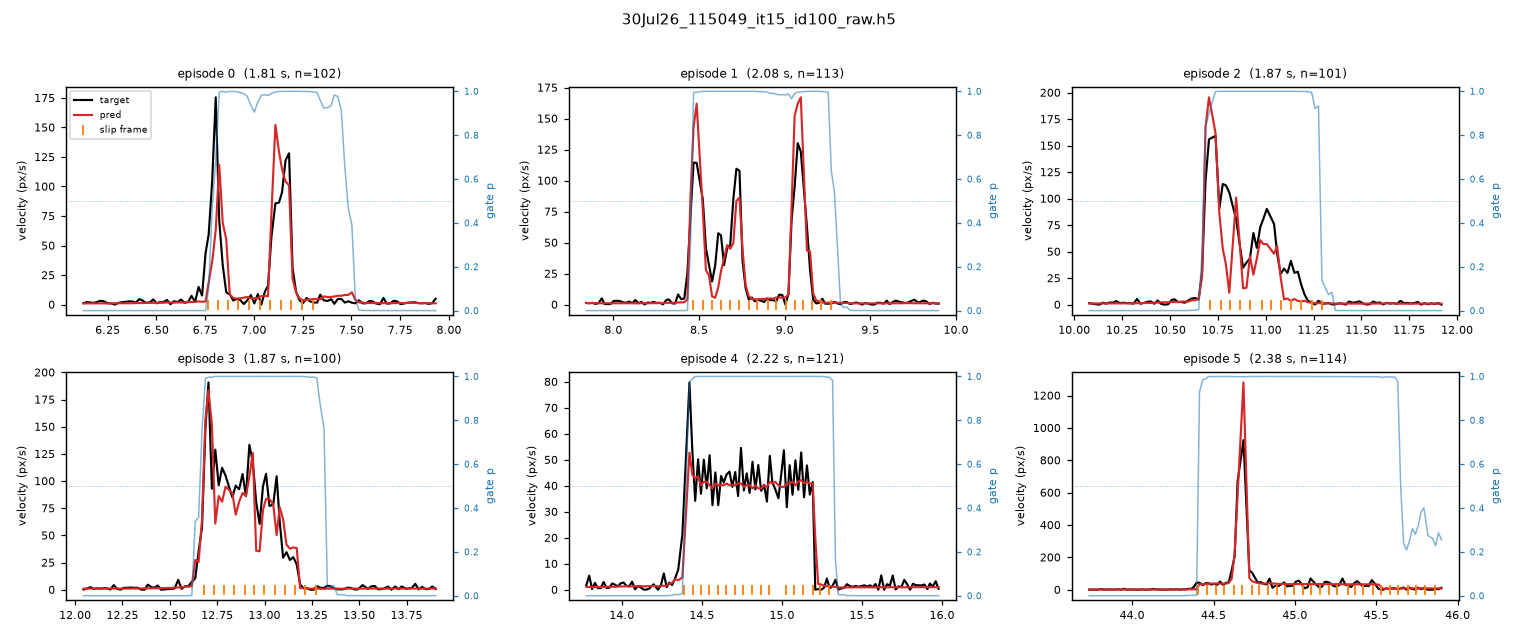
- The peak arrives on average 36 ms after onset
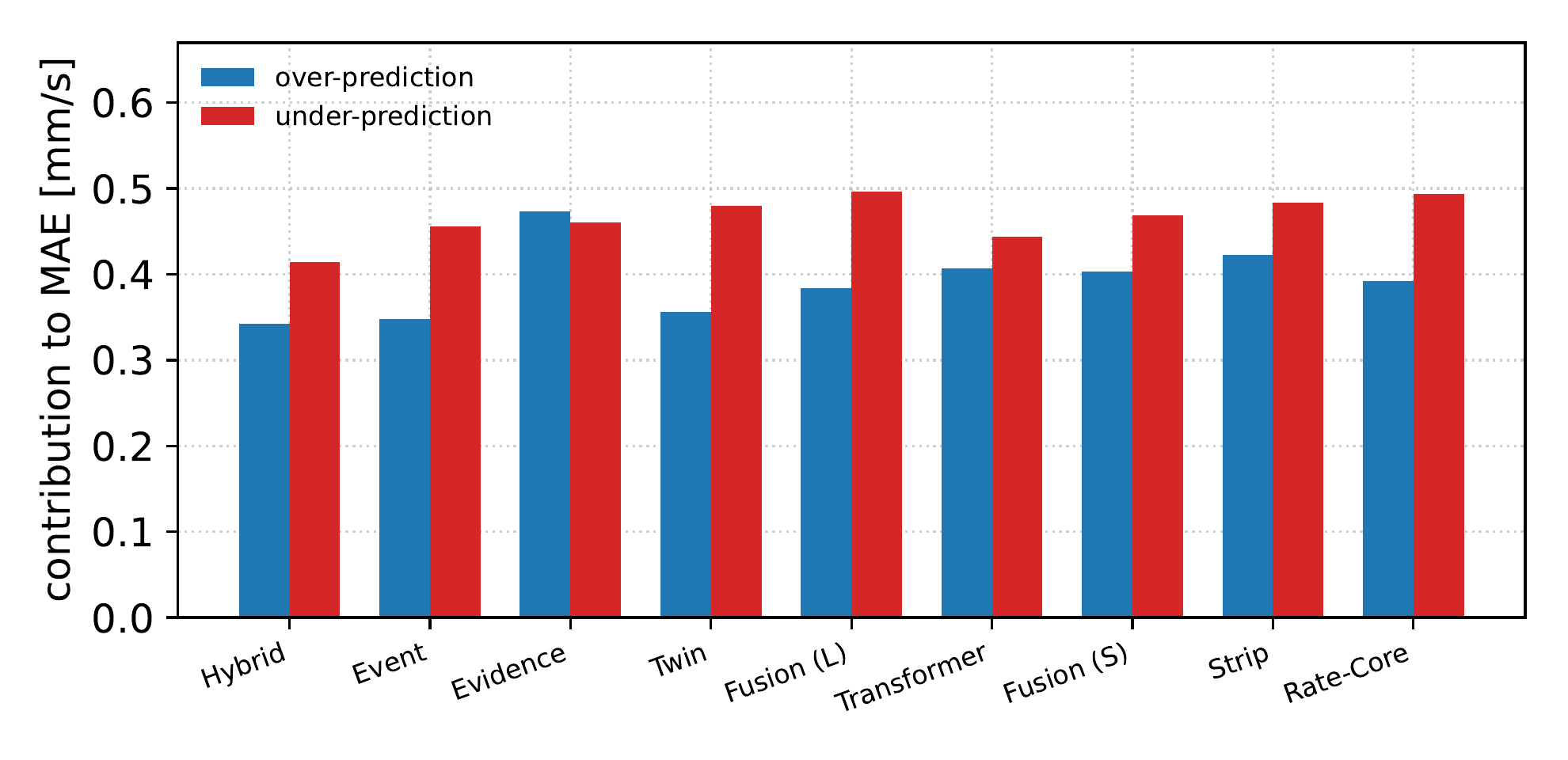
- Every network underpredicts the spike
Eventand twinEventworse than Hybrid- Might work with more complex models,
- But results encourage other avenues for improving performance
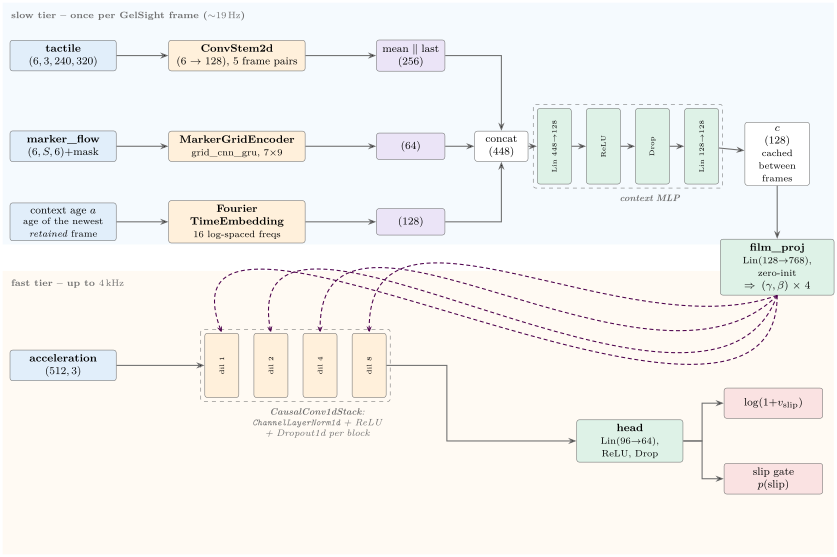
How can latency be reduced? Rate-Core
fast causal vibration core, conditioned by slow visuotactile context
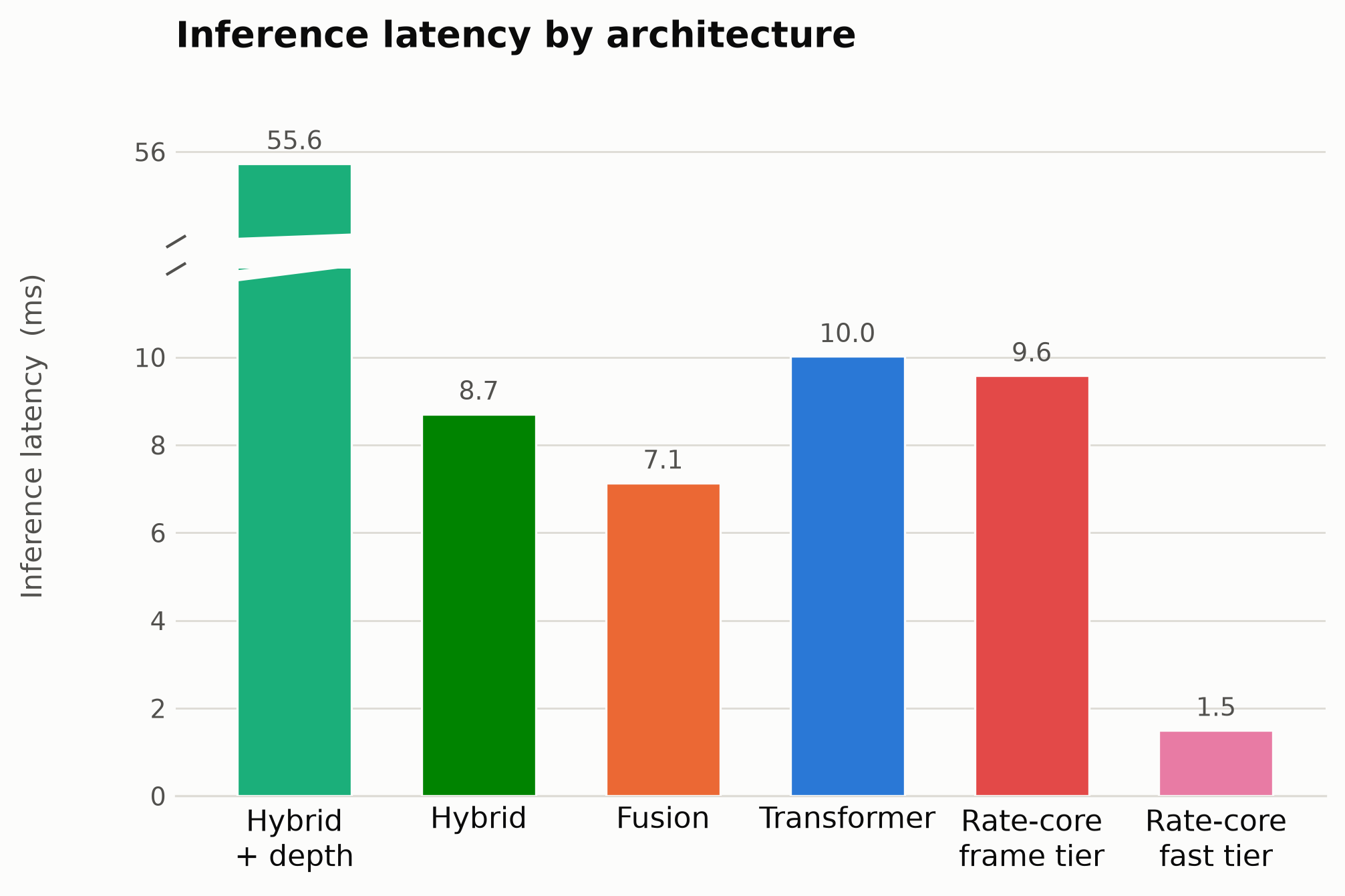
Can latency be reduced? Yes
- Depth is expensive
- Inference is dominated by the shared CNN image stem
- Latency correlates with parameter size
Rate-coreis the only one that meets the 1.5ms budget from Chen et al.
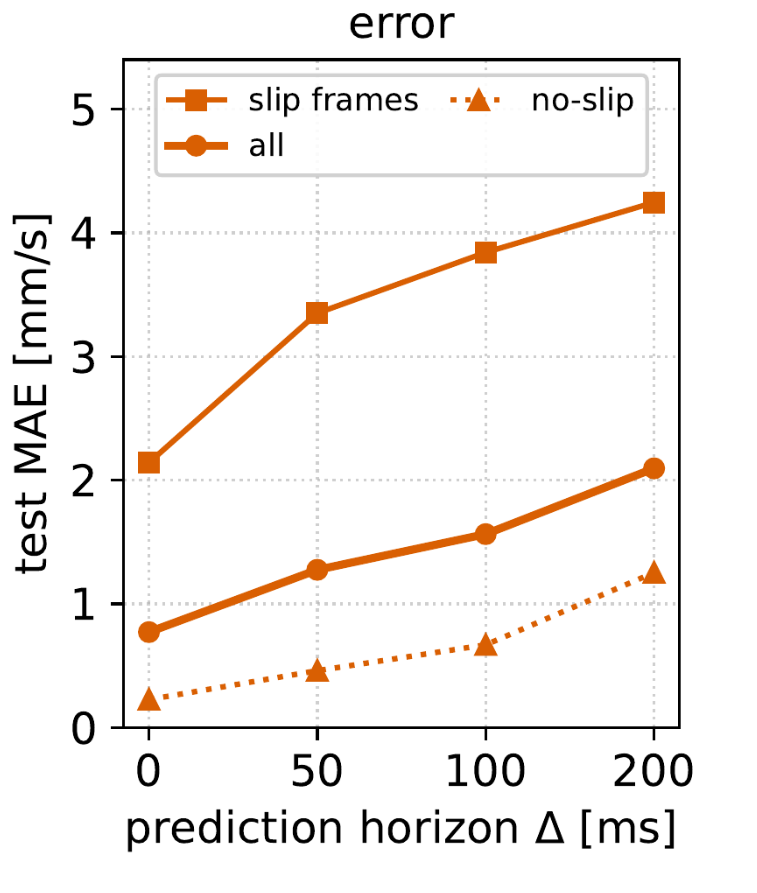
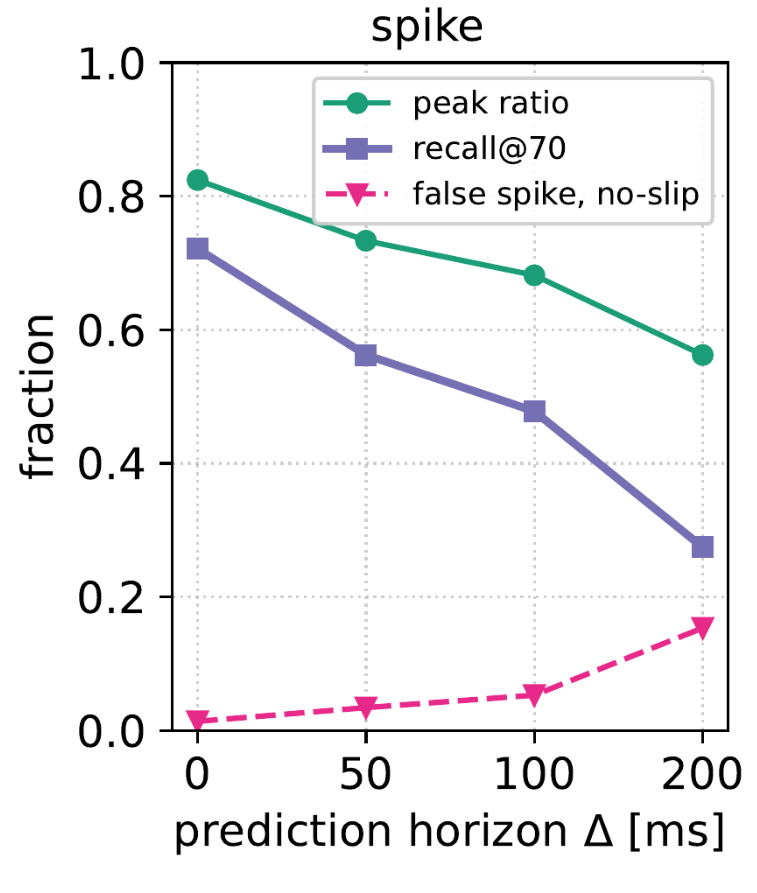
Can future slip be predicted? Surprisingly, yes
Hybridtrained on time-shifted labels,
with time shift of: 50 / 100 / 200 ms- timeshift of 50ms:
slip-MAE 3.35 mm/s, +57 % - 100ms usable for anticipating slip
Limitations
- No material invariance
- No rotation invariance
- Only on the test bench
- Robustness to robot arm noise?
- Effect of the hand moving while gripping?
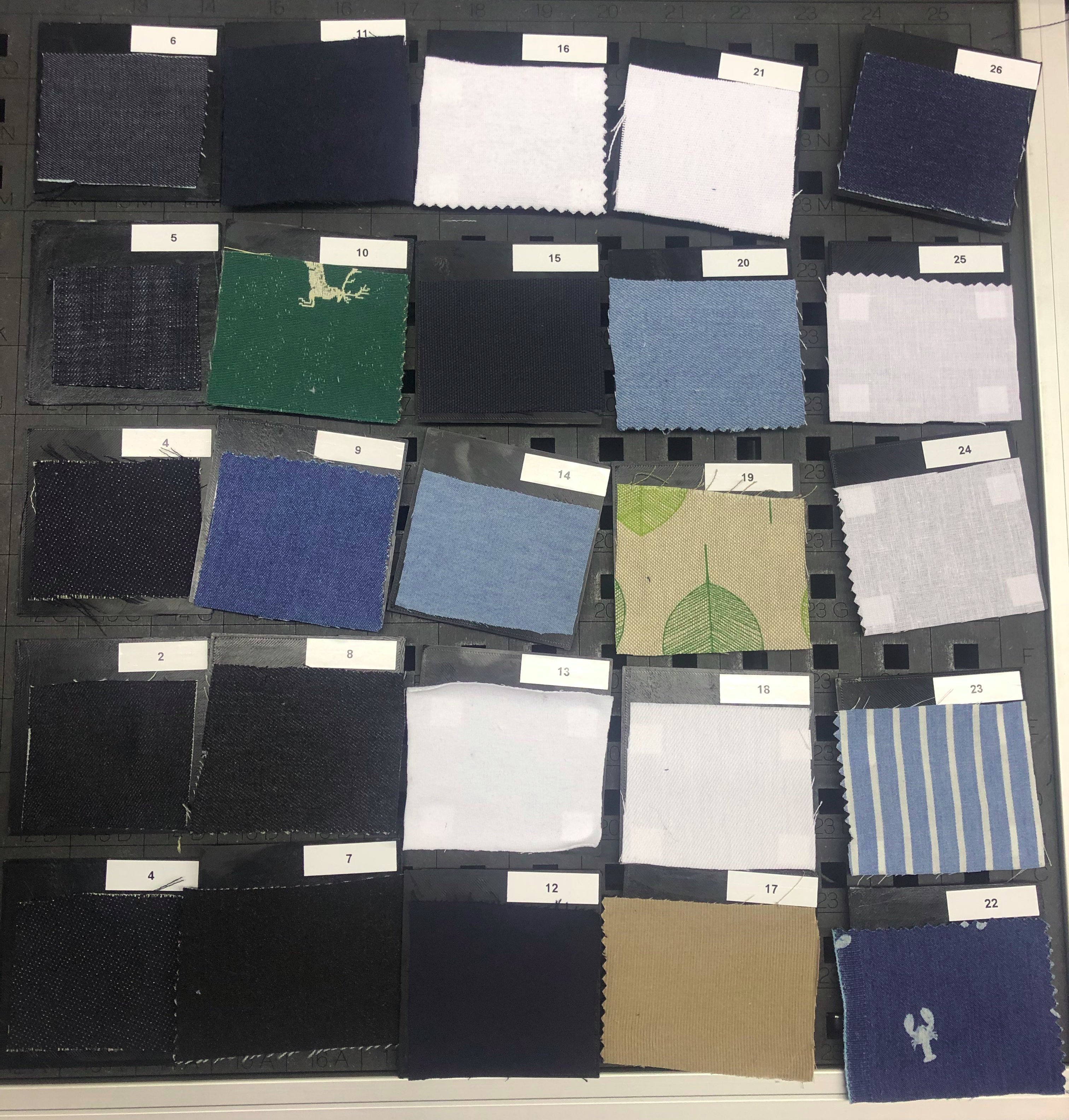
Böhm, A., Schneider, T., Belousov, B., Kshirsagar, A., Lin, L., Doerschner, K., … & Peters, J., What matters for active texture recognition with vision-based tactile sensors, in 2024 IEEE International Conference on Robotics and Automation (ICRA), pp. 15099–15105, IEEE (2024).
youtu.be/KWCL-jCnivI, arx-x.com
Outlook
More variance


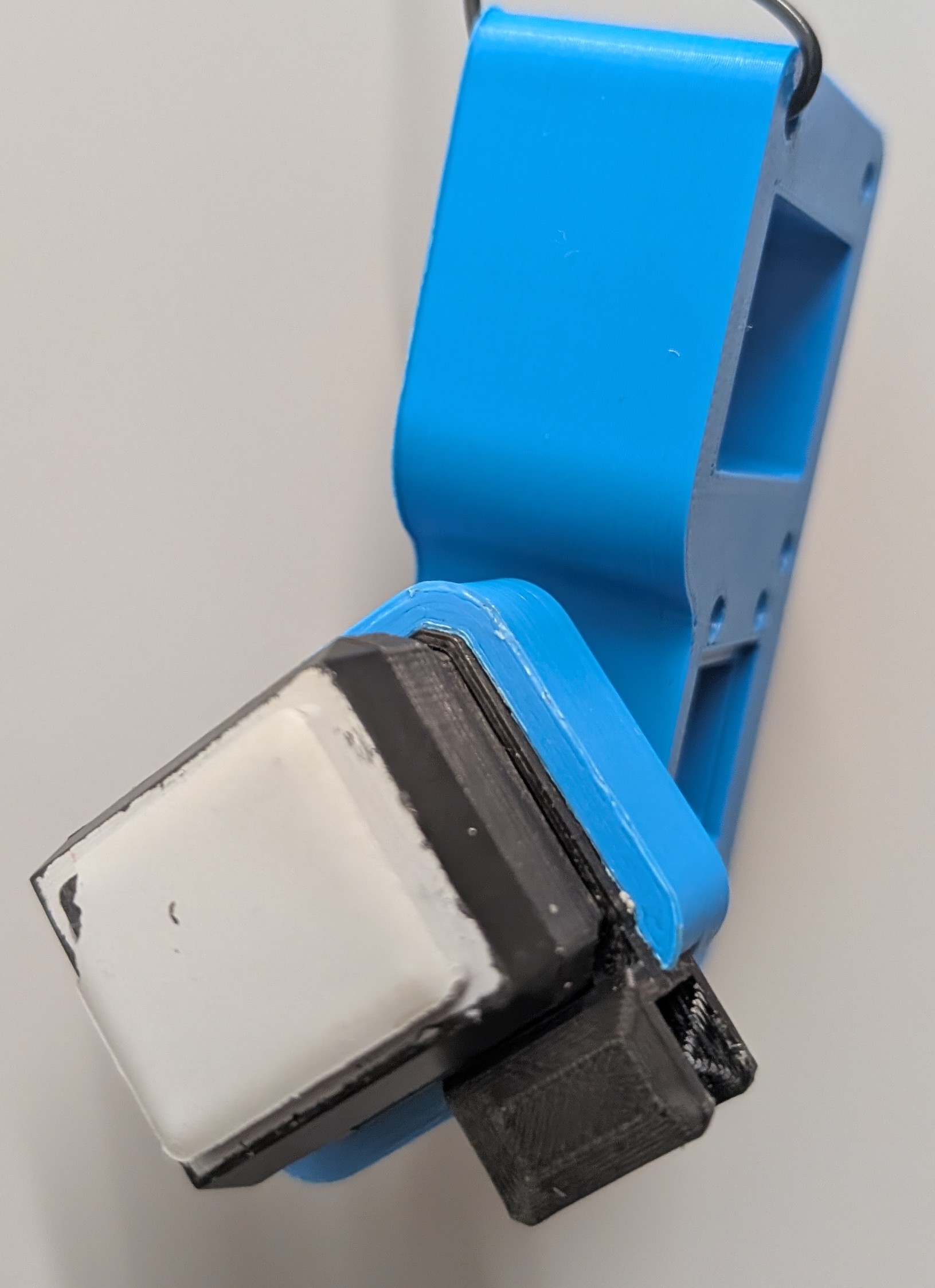
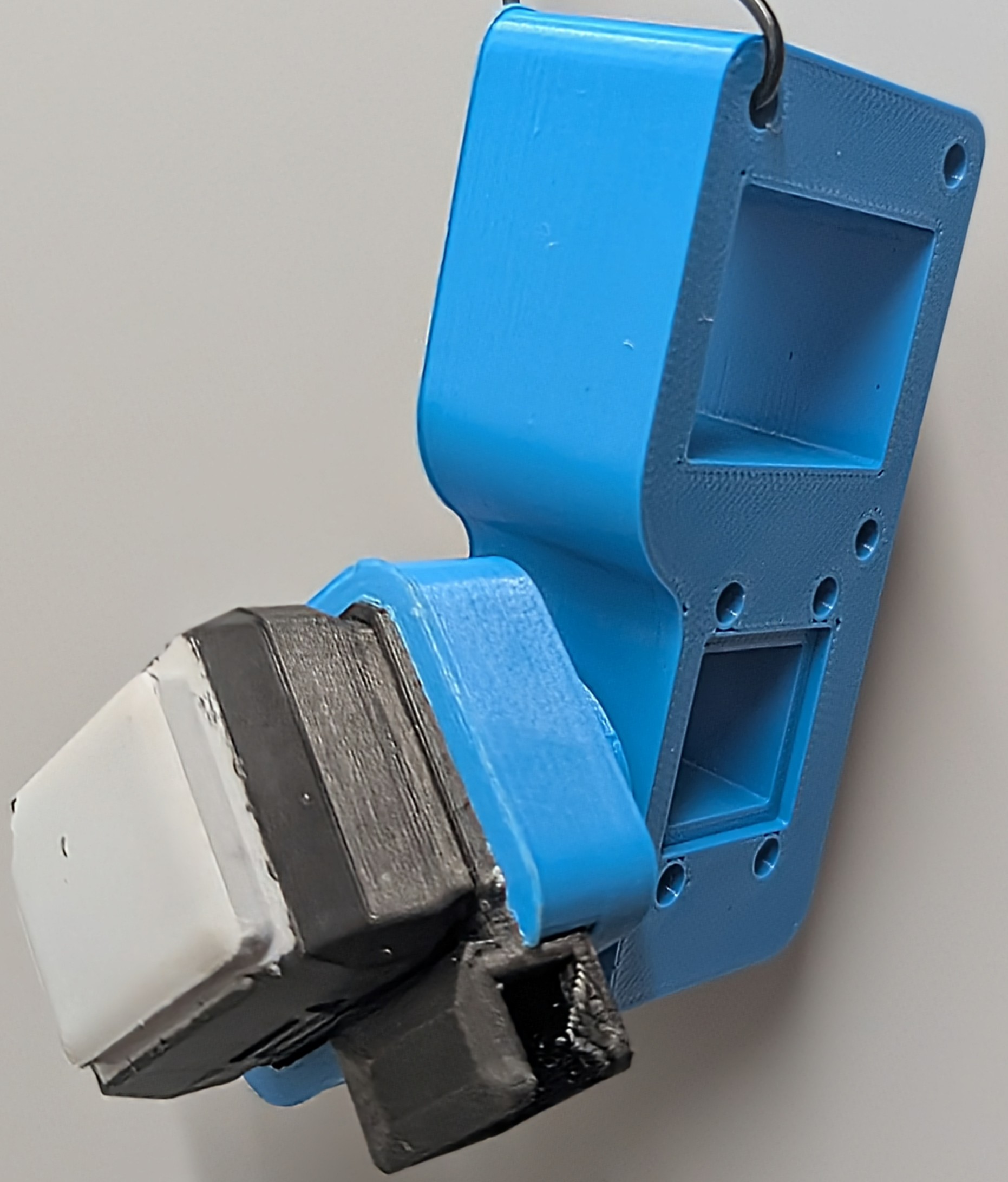
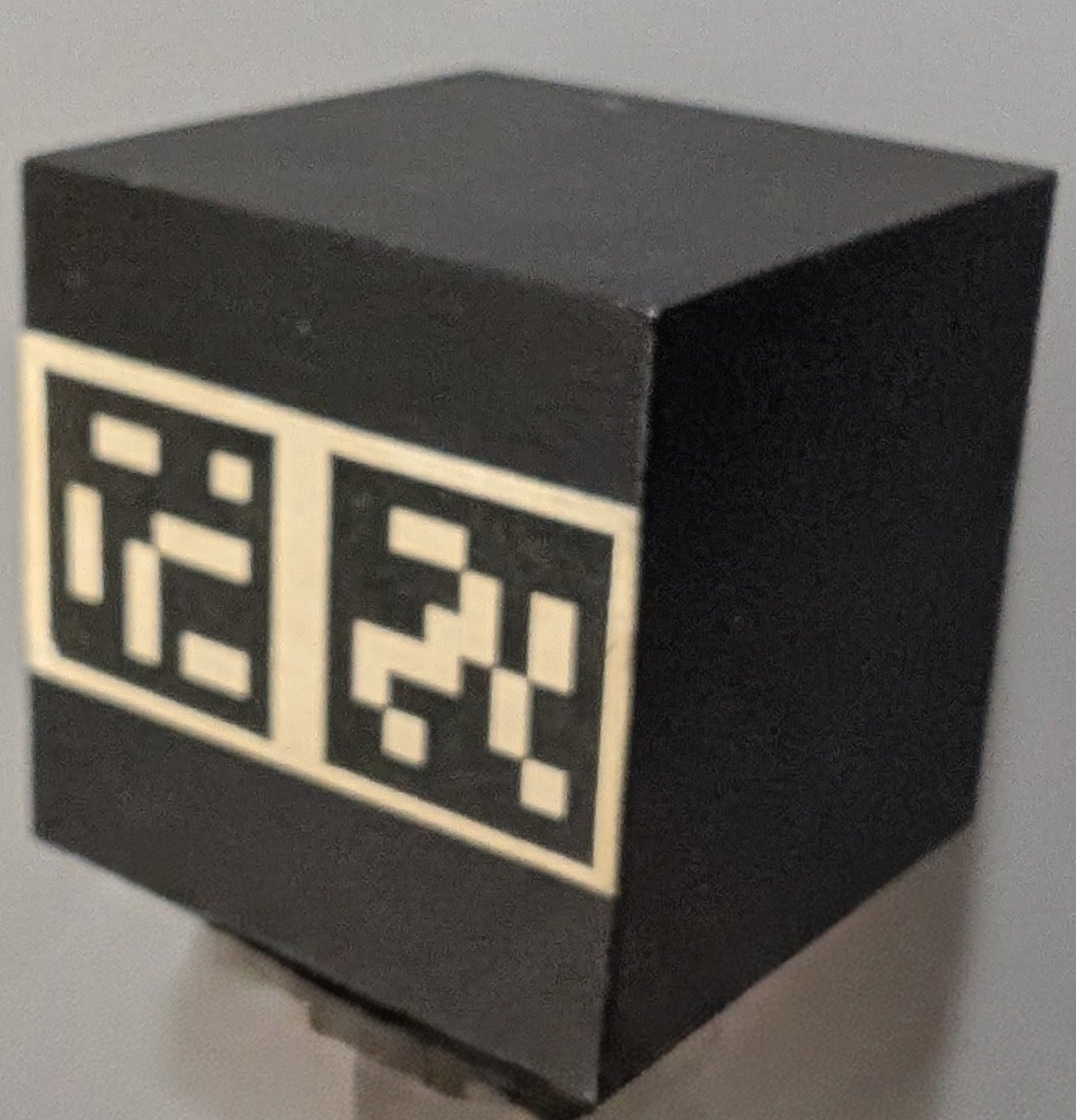
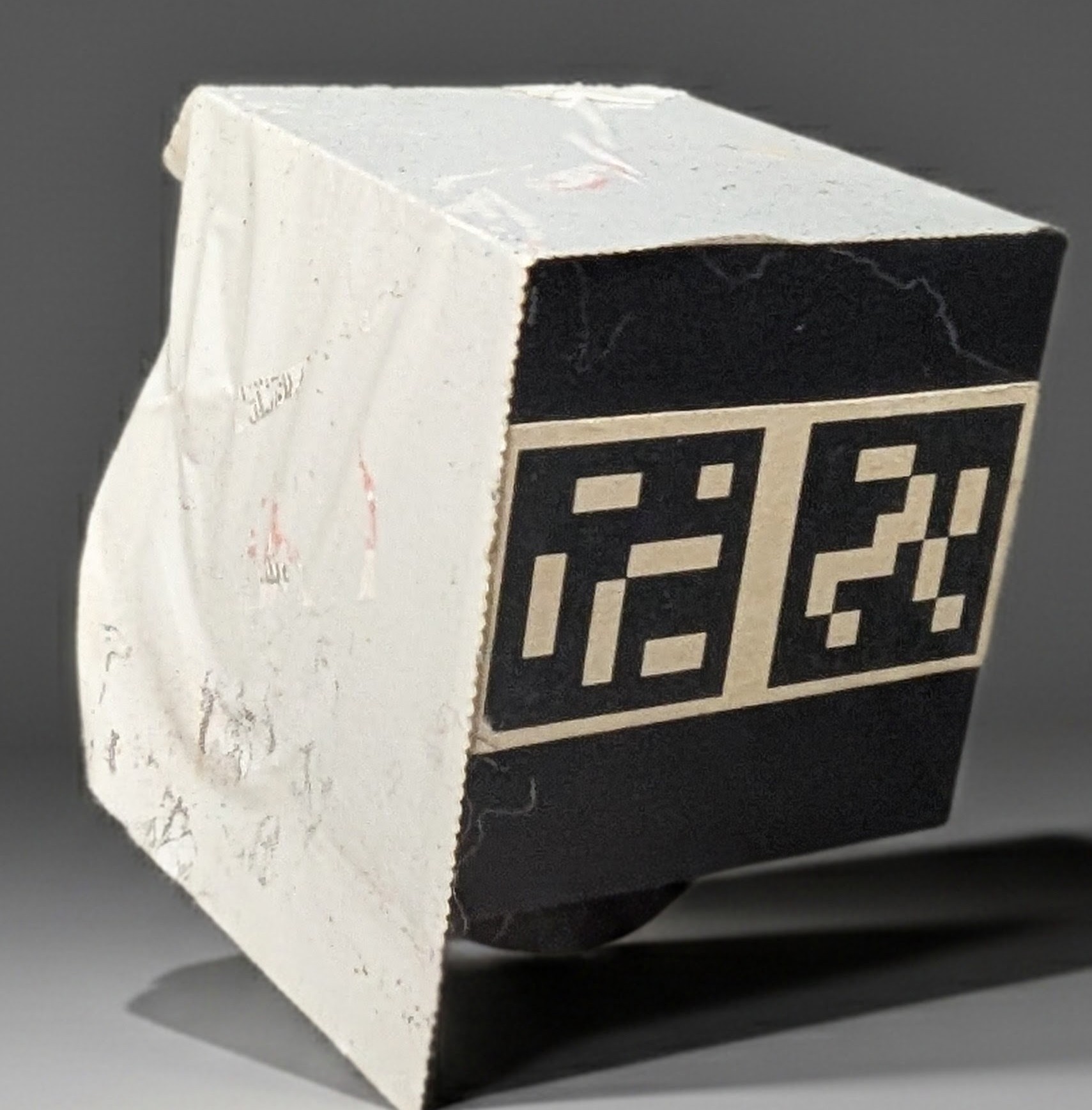
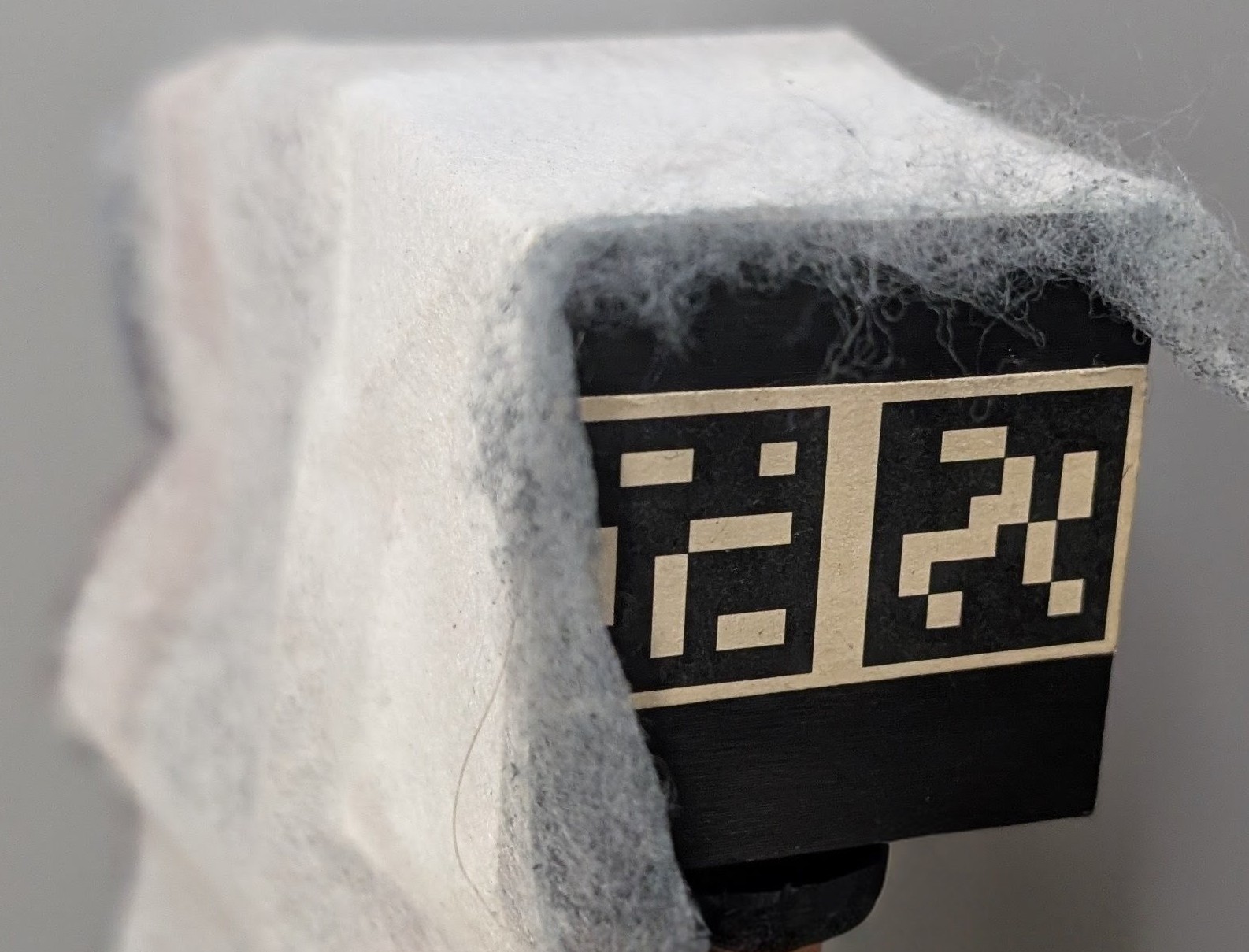
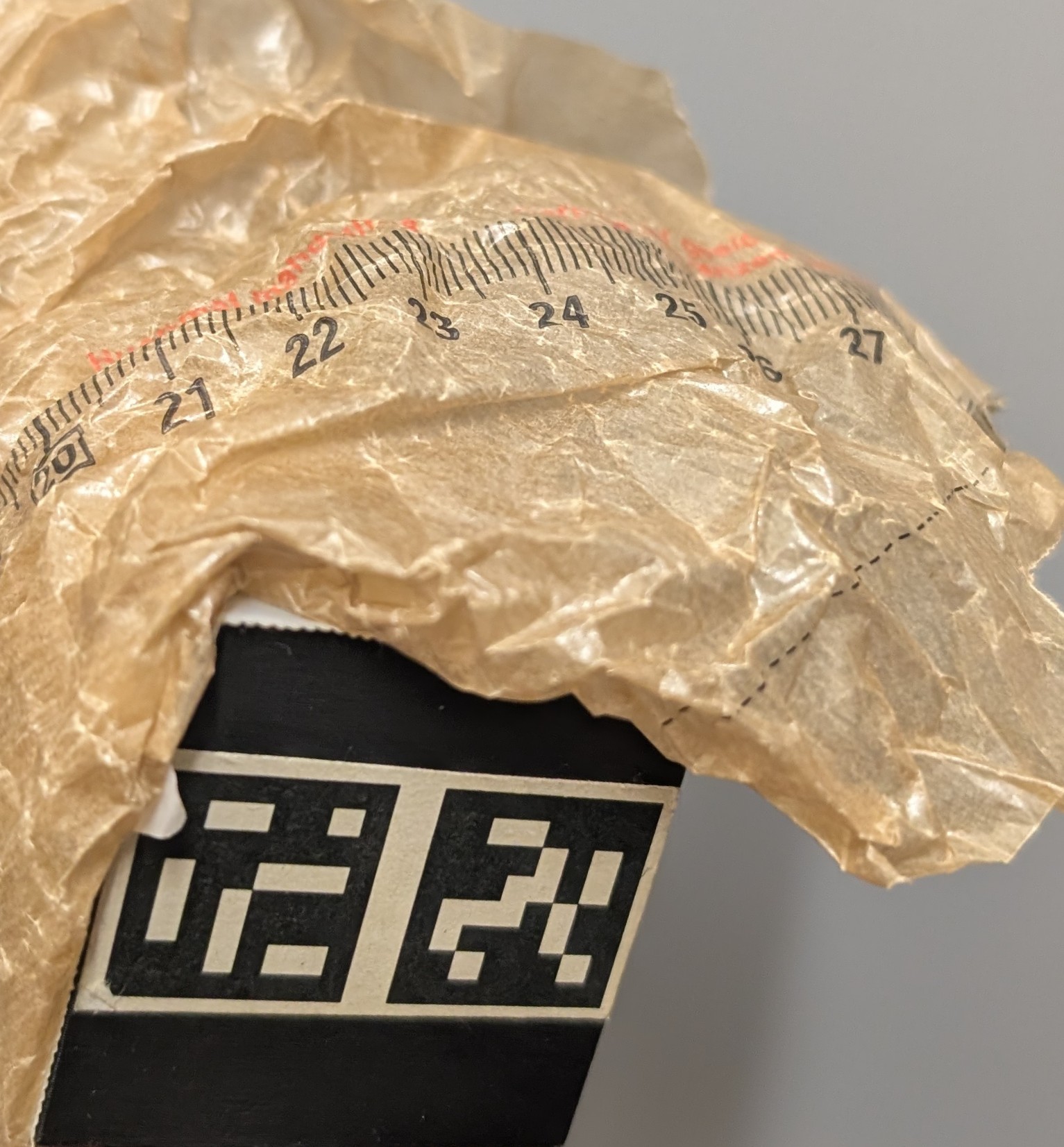
Combinations of architecture

Slip velocity control
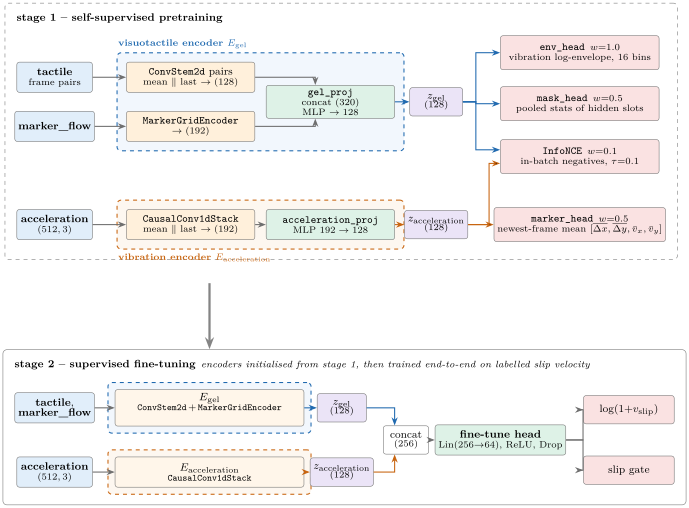
Does pre-training improve performance? Twin
Cross-modal self-supervised pre-training of encoders
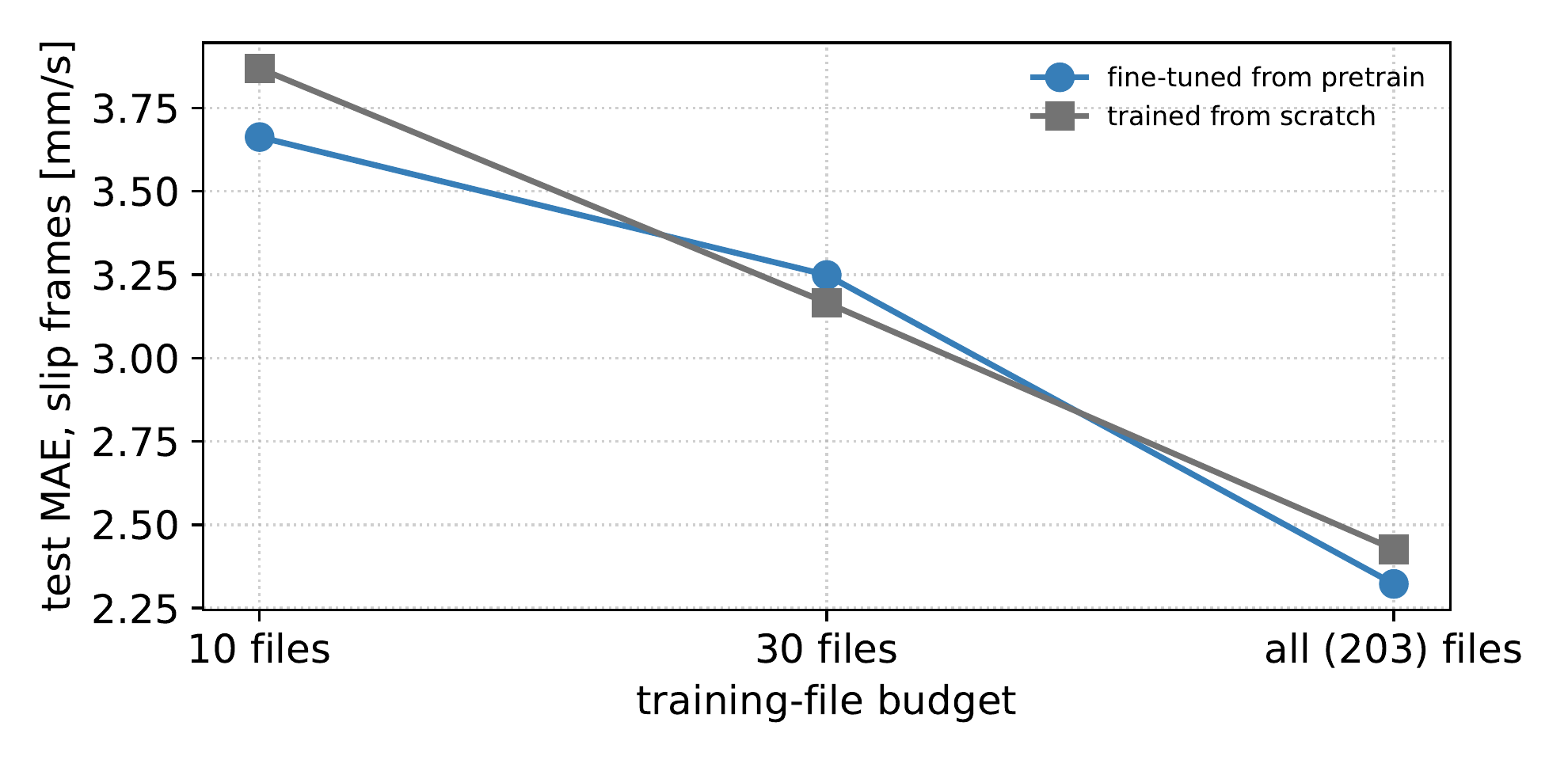
Does pre-training improve performance? Not measurably
- Labels are expensive, raw recordings are not: the point of pre-training
- Pre-trained on 10 / 30 / 203 files, each against scratch on the same budget
- Best case, the full corpus: 4 %
- And the pre-trained net sees the data twice, once to pre-train and once to train
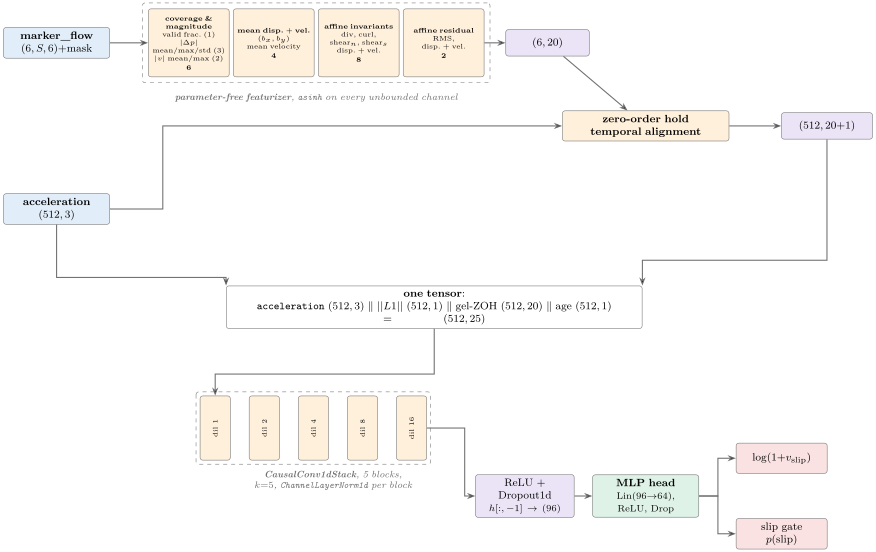
How can latency be reduced?
Strip no image stream at all, physically motivated scalars instead
Do more modalities help? No
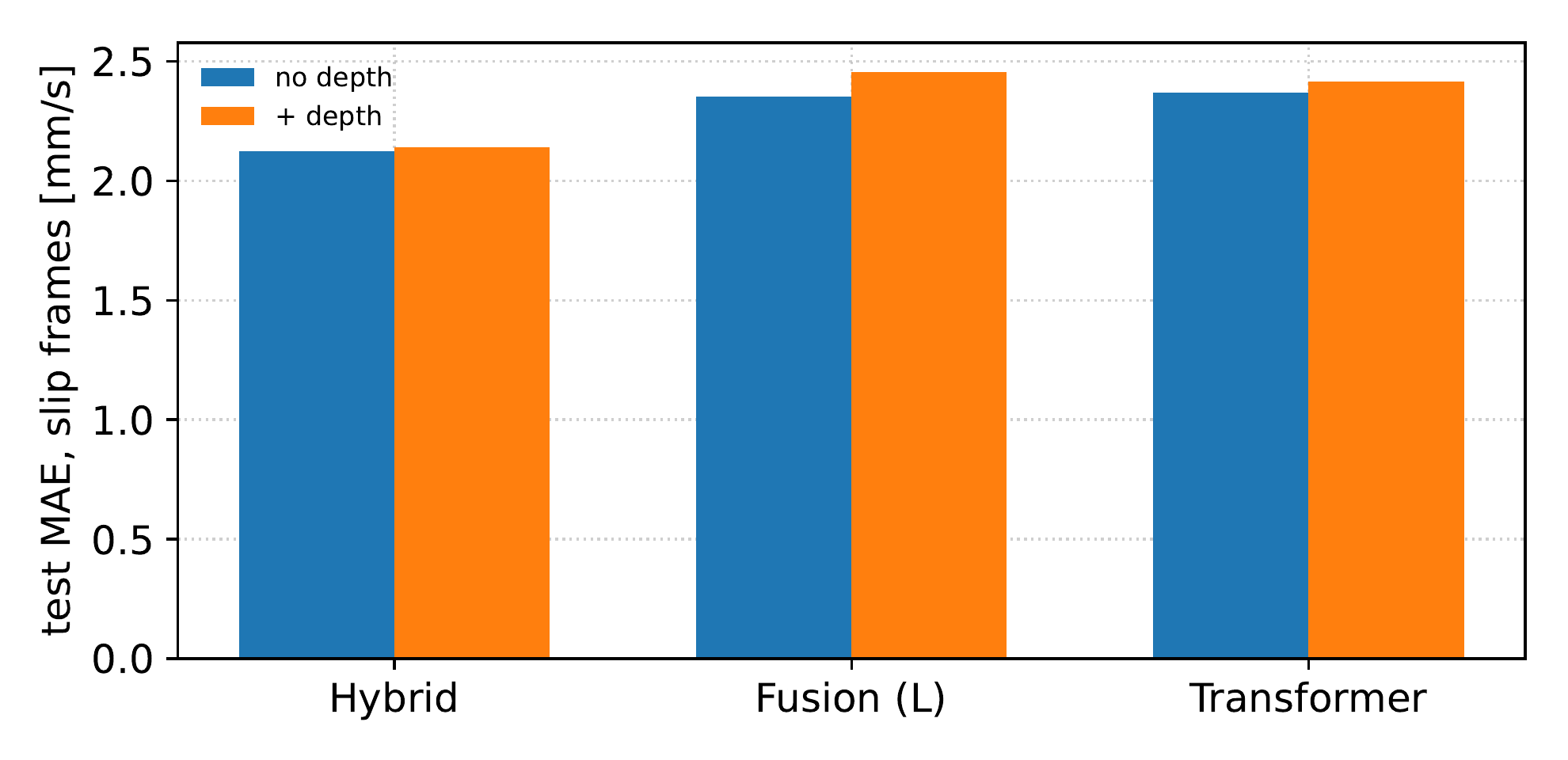
depth added to Fusion (L), Transformer, Hybrid
- Accuracy gets worse: +4.4 %, +1.9 %, +0.7 % slip-MAE
- End-to-end latency +49–57 %, about 32–38 ms
- Detection unchanged
- The engineered vibration representations show no consistent effect either
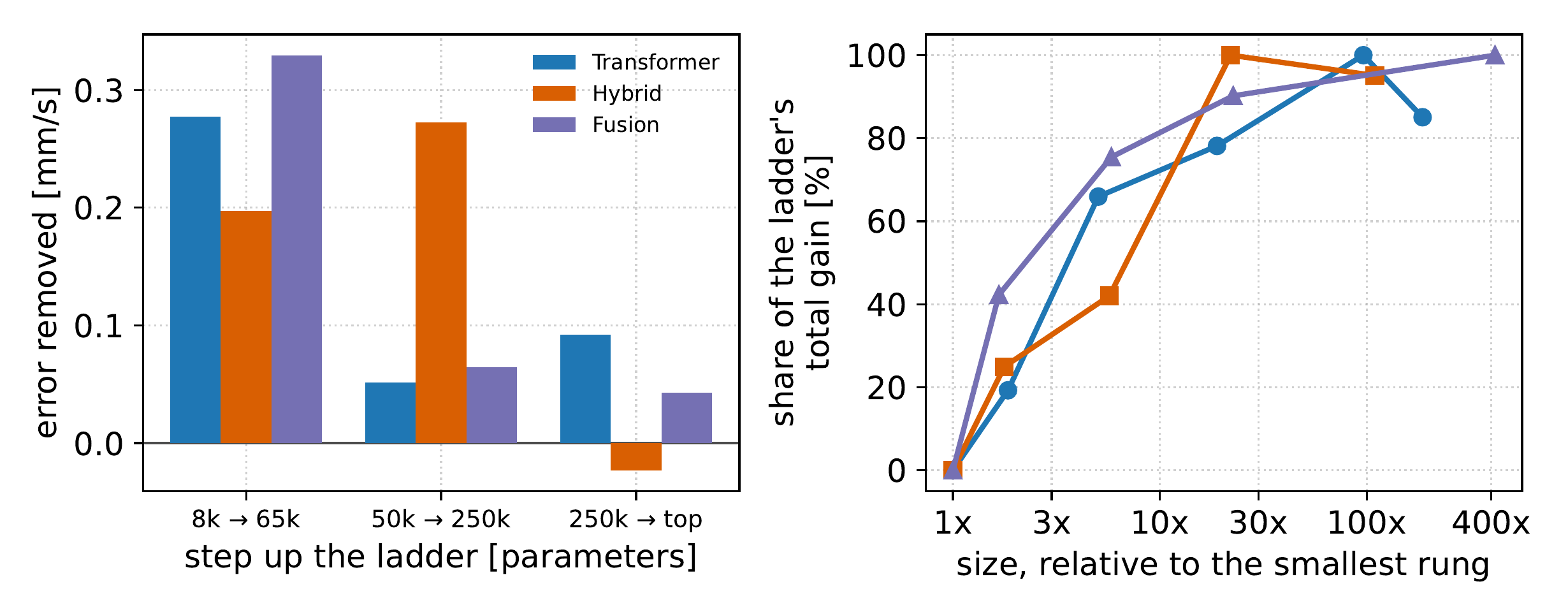
Does architecture size matter? No
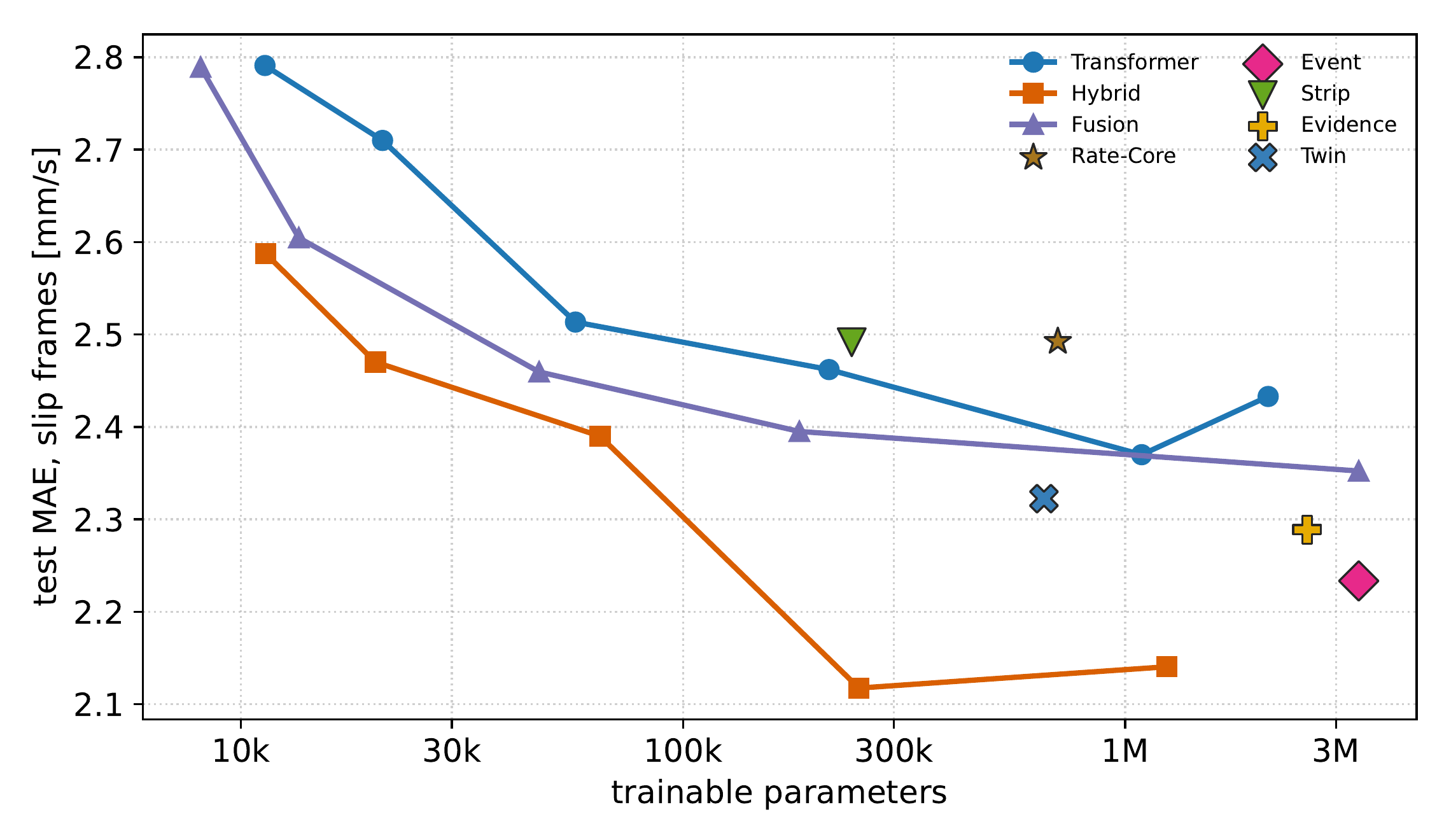
- Width-scaled ladders, ~1 % to ~20 % of the base parameter count
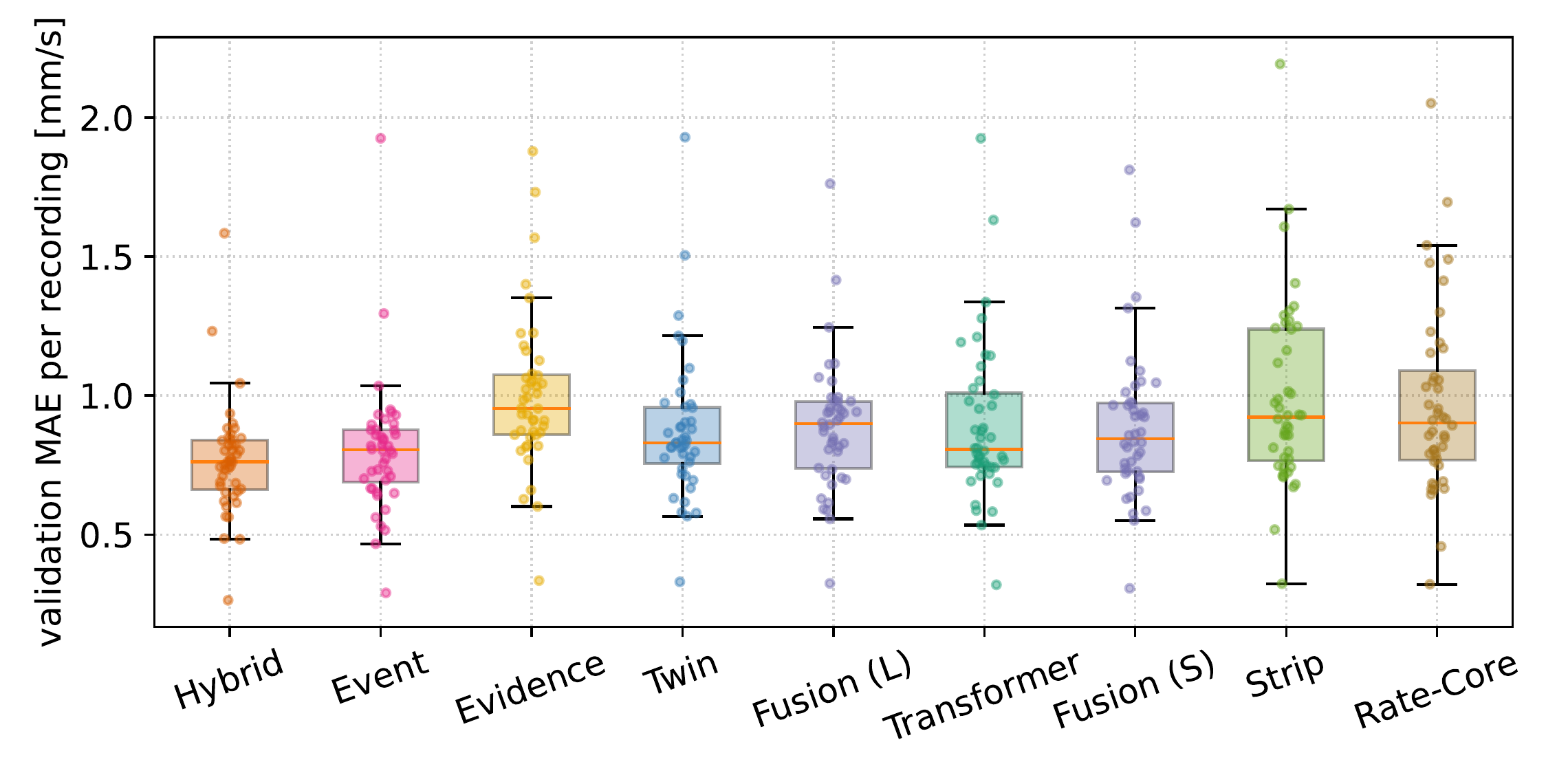
HybridS beatsFusionL by 10 % with 13.5× fewer parameters- 20 % of the parameters buys 90 % of the performance
HybridandTransformerlose accuracy at the top rung: overfitting- Architecture beats parameter count
Evidence
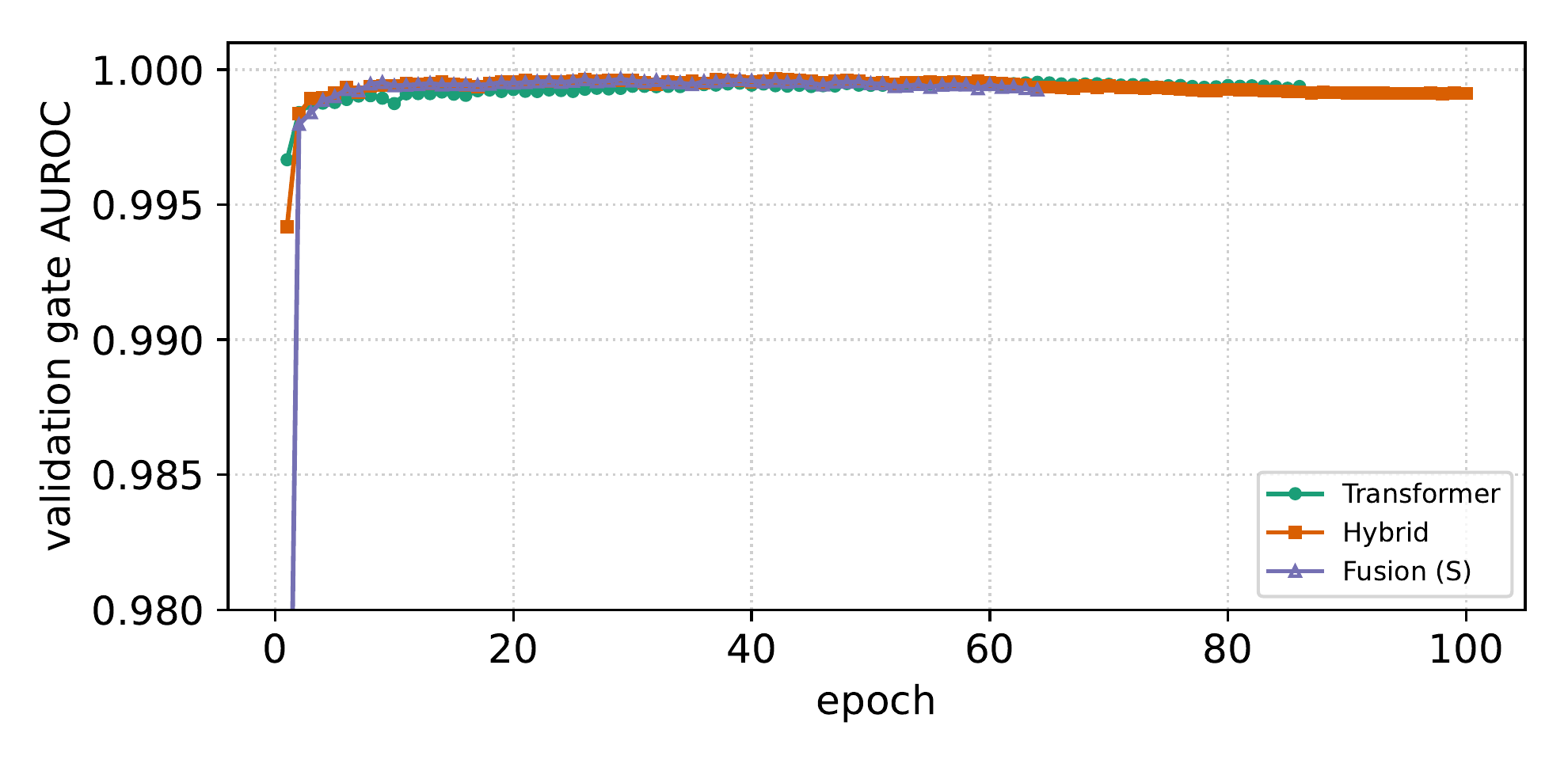
Detection is solved within the first few epochs
The error is undershoot, not overshoot
Returns diminish up the size ladder
The onset spike, event by event
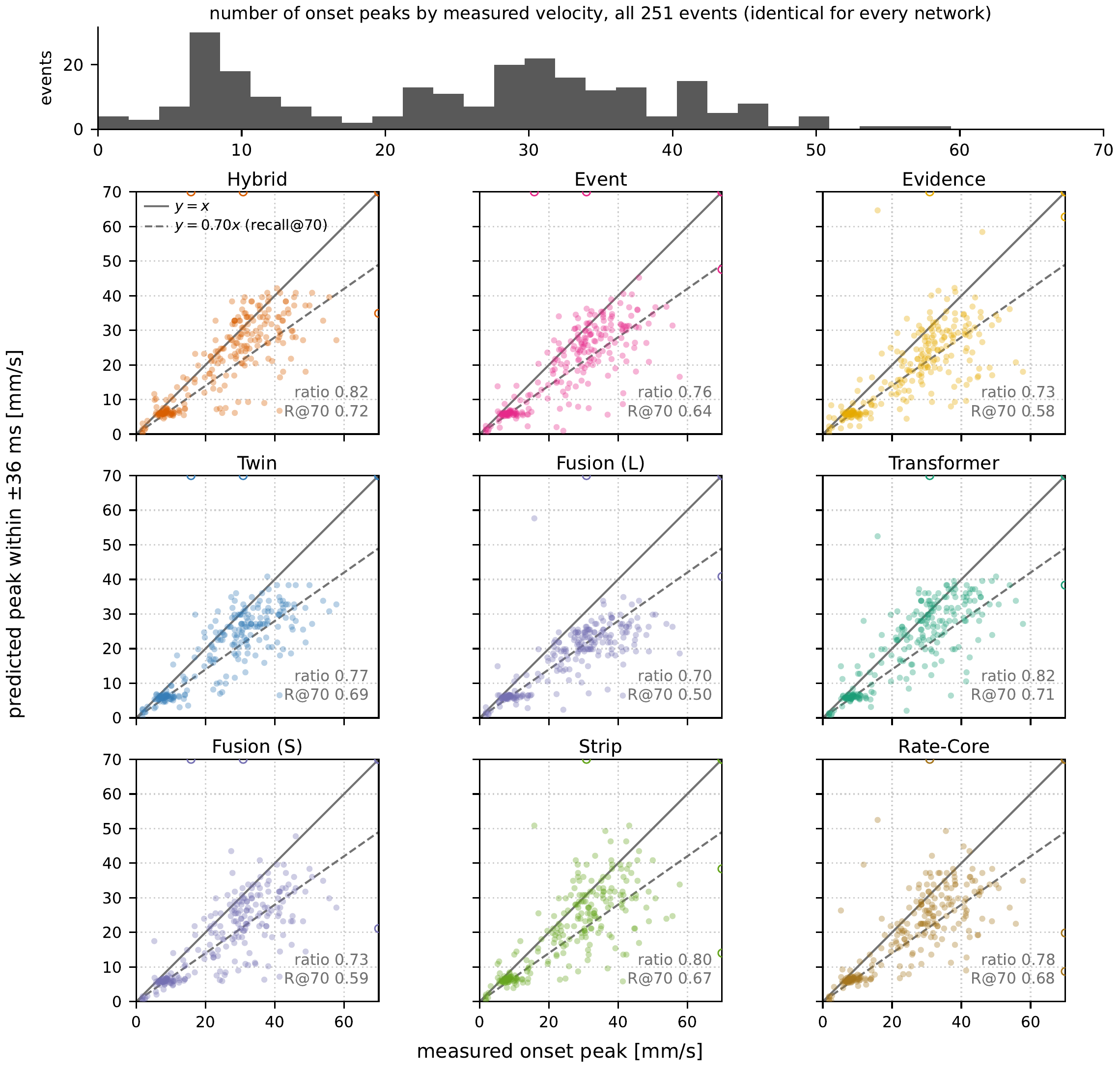
What a prediction actually looks like
The spread between recordings
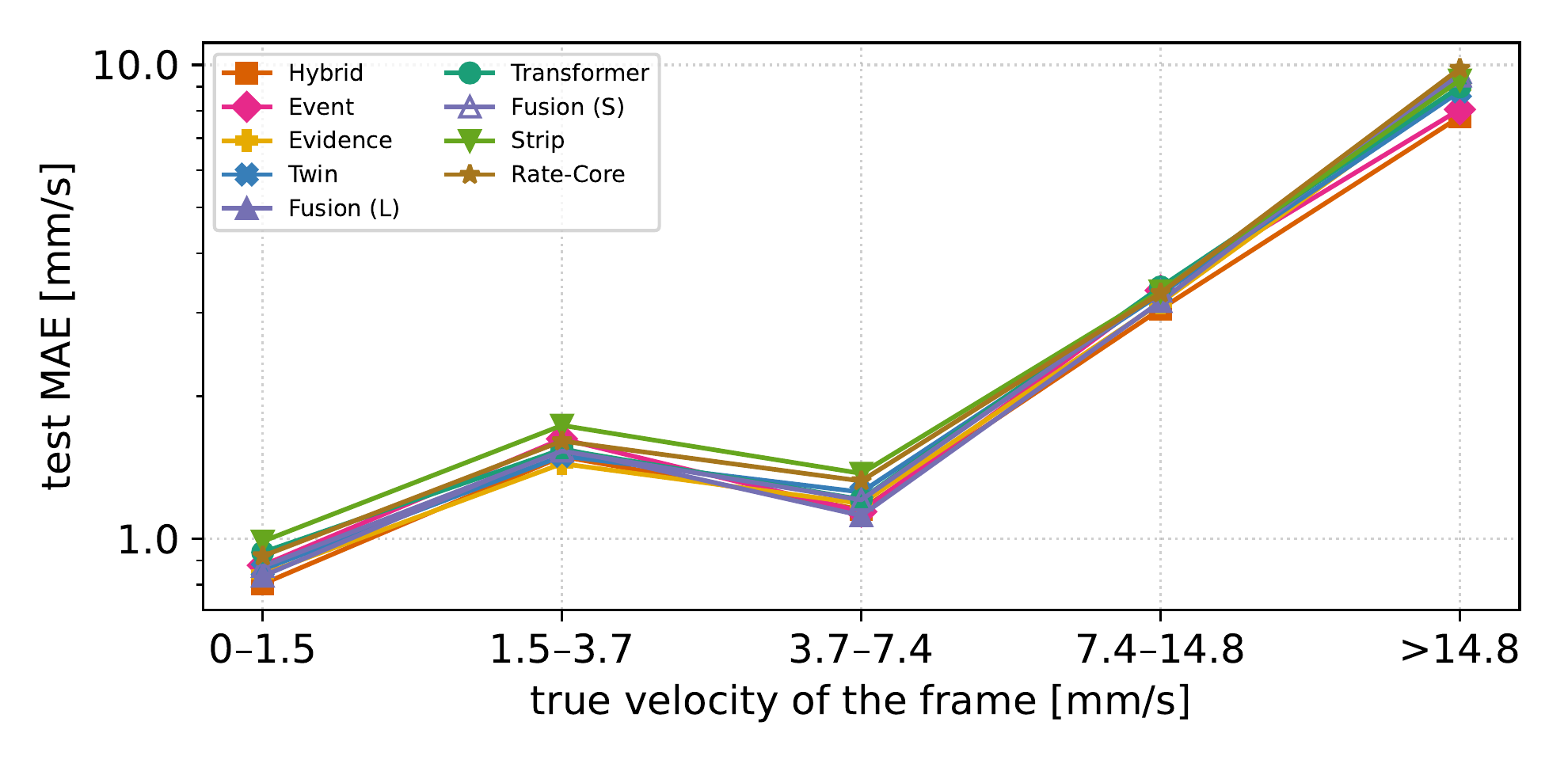
Where does the error come from? The fast tail
- Slip frames are 30 % of the test set but carry 70–80 % of the error
- MAE grows with velocity: 0.9 mm/s below 1.5 mm/s, 9 mm/s above 14.8 mm/s
- Cause is the target, not the network: log(1+v) under a masked Huber loss compresses the fast end
- The curve has the same shape for all nine networks